

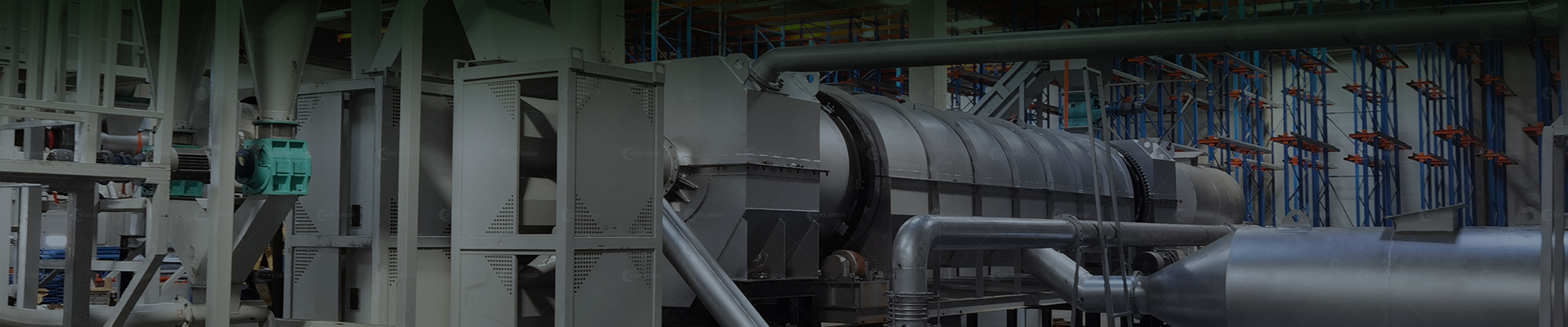
Mainstream Solutions for Photovoltaic Panels Recycling Equipment
The core challenge in processing decommissioned PV modules lies in efficiently separating the composite materials, which have undergone high-temperature lamination and curing, resulting in high-strength adhesive bonding. Currently, the primary technical approaches involve physical methods and pyrolysis-chemical methods. Each of these two categories of techniques possesses distinct characteristics and is continuously evolving toward a synergistic combination of multiple technologies.
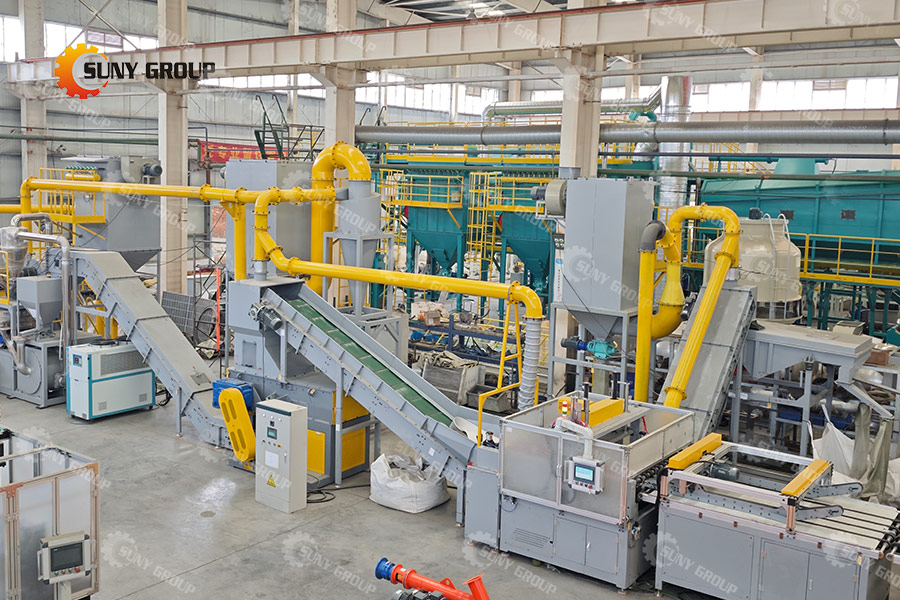
Physical methods—also known as mechanical methods—utilize physical means such as cutting, crushing, and grinding to transform the laminated PV modules into a mixture of material fragments, granules, or powders. Subsequently, techniques such as screening and density separation are employed to classify the materials within this mixture. This technical route features a relatively straightforward operational workflow and lower processing costs, making it suitable for rapid, large-scale processing. However, because different materials are prone to cross-contamination during the physical crushing process, the purity of the final recovered products is relatively limited. Currently, equipment utilizing physical methods is undergoing continuous optimization to enhance sorting precision and thereby improve product quality. For instance, through precision separation technologies, it is now possible to achieve the classified recovery of multiple components, such as glass, copper ribbons, and silver-containing silicon wafers.
Pyrolysis-Chemical Methods: High-Purity Separation with Strict Environmental Standards
Pyrolysis-chemical methods achieve the separation of materials—such as glass and solar cells—from laminated modules by utilizing high temperatures (approximately 500°C in the case of EVA encapsulant films) within a specific atmospheric environment to decompose and remove the organic adhesive films. This technology enables the recovery of materials with high purity, proving particularly advantageous for the efficient extraction of silicon and precious metals. Currently, equipment utilizing this method is generally outfitted with exhaust gas treatment systems designed to capture and purify volatile organic compounds (VOCs), fluorine-containing gases, and other substances potentially generated during the pyrolysis process, thereby ensuring that emissions comply with national regulatory standards.
Currently, SUNYGROUP possesses mature technical solutions and equipment for both of these approaches. If you would like to learn more about this equipment, please feel free to contact us at: sales.sunycycle@gmail.com
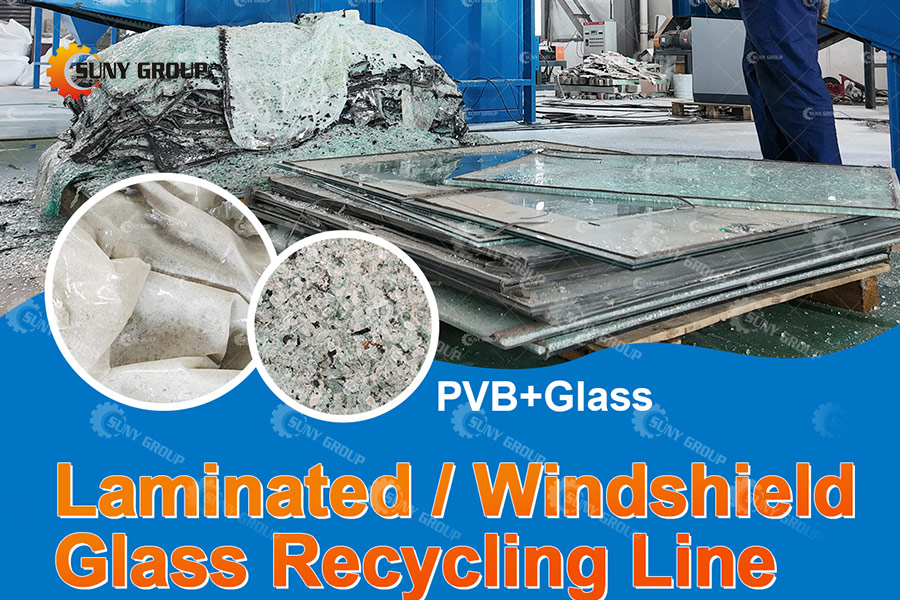 Turnkey Customized windshield recycling line
 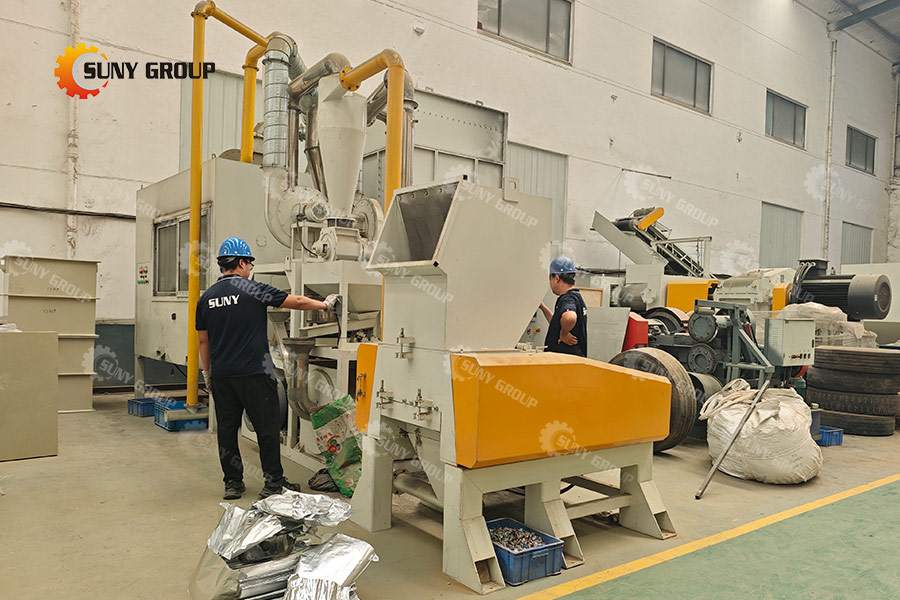 How Does an ACP (Aluminium Composite Panel) Recycling Plant Work?
 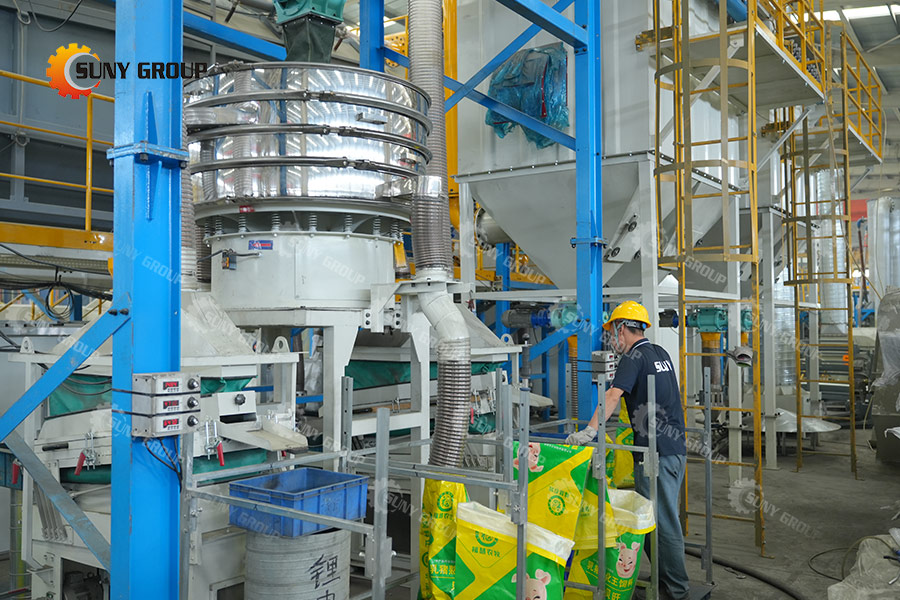 Equipment of Lithium Battery Recycling
 -
Contact Us
HAVE QUESTIONS?
Leave your details and we will reply to your message in 24 hours.
GET IN TOUCH!
WhatsApp

WeChat
-

SUNY GROUP has a reputation for excellence in providing advanced recycling solutions for solid waste such as e-waste, lithium batteries, photovoltaic panels, etc.We serve the global market and are a trusted partner for industries seeking innovative and sustainable recycling technologies.
-
SOLUTIONS
PV Solar Panel Recycling Plant Lithium Battery Recycling Plant E Waste Recycling Plant Waste Cable Wire Recycling Plant Waste Motor Recycling Machine Scrap Radiator Recycling Machine Aluminum Plastic Separation Machine Wind Turbine Blade Recycling Machine Paper Plastic Recycling Plant Refrigerator Recycling Plant -
PRODUCTS
Shredder & Cutter Machine Scrap Baler Machine Crinkle Paper Shredder UBC Decoating Furnace Car Windshield Recycling Machine Eddy Current Separator Machine -
LINKS
WHATSAPP : +86 15038128697 EMAIL : sales.sunycycle@gmail.com Factory Address:
No. 1123, Shangjie District,
Zhengzhou, Henan, China (Mainland)