

How to solve the dust pollution during PCB recycling process?
In the electronic waste recycling industry, a question that has long vexed recyclers is: “Does the dust generated during the circuit board shredding process lead to severe secondary pollution?”
With the comprehensive tightening of global environmental regulations—such as the stricter WEEE Directive and various regional air quality acts—environmental compliance is no longer merely a “bonus”; it has become the very “lifeline” of factory operations. For enterprises engaged in circuit board recycling, dust control is not just a regulatory requirement; it is a critical factor in safeguarding employee health and enhancing the purity of recovered metals.
I. Why Do Traditional Shredding Methods Generate Dust?
Circuit boards are composed of fiberglass, epoxy resins, and various metals. When a shredder pulverizes these hard materials, resin dust and fine metal particles are instantly aerosolized or suspended in the air, forming high concentrations of particulate matter (PM2.5/PM10).
II. How Does SUNYGROUP Address the Dust Problem?
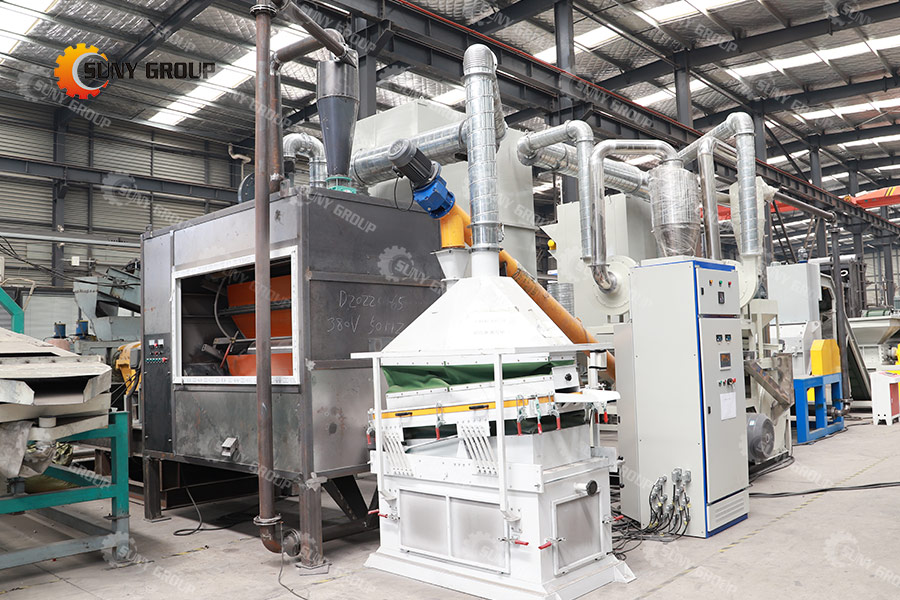
As a specialized manufacturer of circuit board recycling equipment, SUNYGROUP has optimized its dust handling system to ensure that the entire recycling process fully complies with environmental standards:
1. Negative-Pressure Enclosed Shredding (Source Containment)
Our shredding chamber features a fully sealed design that creates a negative-pressure environment the moment shredding begins. This ensures that all dust is immediately drawn into the dust collection ducts the instant it is generated, preventing any particles from escaping into the workshop air.
2. High-Efficiency Pulse Dust Collector (Core Filtration)
All captured dust is channeled into a pulse dust collector. This system utilizes bag filtration technology capable of capturing 99.9% of ultra-fine particles. Additionally, an automated pulse-jet cleaning system periodically clears accumulated dust from the filter bags, ensuring consistent and stable dust removal efficiency over the long term.
3. Advanced Waste Gas Purification (End-of-Pipe Treatment)
To address potential odors (VOCs) generated by the resins within circuit boards during the friction of the shredding process, we have incorporated photocatalytic oxidation and activated carbon adsorption units. This final stage effectively neutralizes and decomposes harmful gases, ensuring that the discharged air is not only free of dust but also devoid of any noticeable odors—thereby meeting the stringent environmental requirements of urban industrial parks. By utilizing professional and highly efficient sorting and dust removal equipment, we can recover valuable copper powder and metal particles from the dust, thereby enhancing the overall recovery efficiency of the entire machine.
 Turnkey Customized windshield recycling line
  How Does an ACP (Aluminium Composite Panel) Recycling Plant Work?
 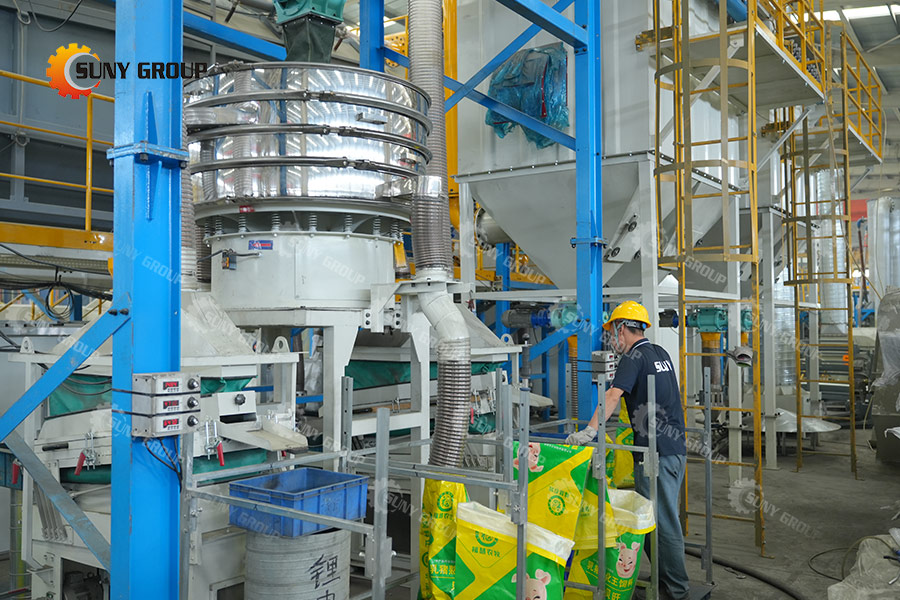 Equipment of Lithium Battery Recycling
 -
Contact Us
HAVE QUESTIONS?
Leave your details and we will reply to your message in 24 hours.
GET IN TOUCH!
WhatsApp

WeChat
-

SUNY GROUP has a reputation for excellence in providing advanced recycling solutions for solid waste such as e-waste, lithium batteries, photovoltaic panels, etc.We serve the global market and are a trusted partner for industries seeking innovative and sustainable recycling technologies.
-
SOLUTIONS
PV Solar Panel Recycling Plant Lithium Battery Recycling Plant E Waste Recycling Plant Waste Cable Wire Recycling Plant Waste Motor Recycling Machine Scrap Radiator Recycling Machine Aluminum Plastic Separation Machine Wind Turbine Blade Recycling Machine Paper Plastic Recycling Plant Refrigerator Recycling Plant -
PRODUCTS
Shredder & Cutter Machine Scrap Baler Machine Crinkle Paper Shredder UBC Decoating Furnace Car Windshield Recycling Machine Eddy Current Separator Machine -
LINKS
WHATSAPP : +86 15038128697 EMAIL : sales.sunycycle@gmail.com Factory Address:
No. 1123, Shangjie District,
Zhengzhou, Henan, China (Mainland)