

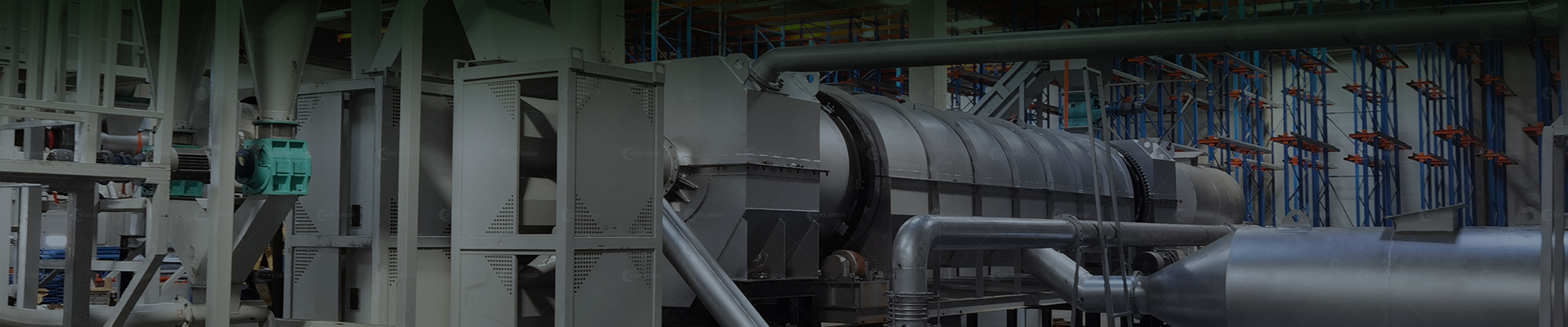
Waste Refrigerator Recycling Line For Brazilian Client
As large household appliances, discarded refrigerators contain significant amounts of polyurethane foam insulation, plastic casings, iron shells, and valuable copper and aluminum piping. Improper handling not only results in low resource recovery rates but also leads to the release of blowing agents (such as Freon or cyclopentane), causing atmospheric pollution. To address this, SUNYGROUP engineers have designed and manufactured specialized equipment for recycling used refrigerators.
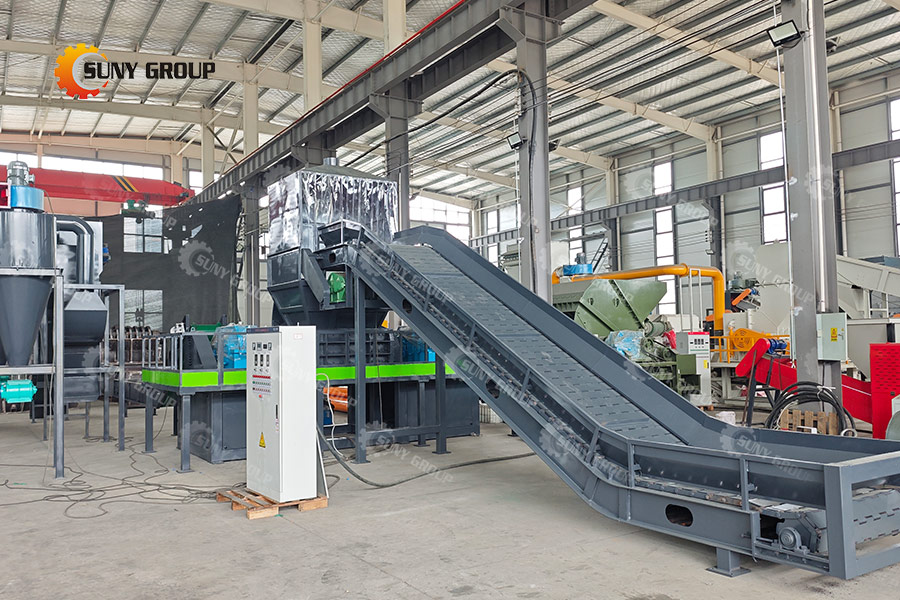
A Brazilian client ordered a refrigerator dismantling and recycling system from SUNYGROUP. The assembly and testing of core components are complete, and the project has now entered the final stage of full-line assembly and pre-shipment trial runs. The primary process flow for SUNYGROUP’s refrigerator recycling system is as follows:
Before entering the shredding line, specialized negative-pressure suction equipment is used to safely extract and condense refrigerants from the compressor and piping. Simultaneously, glass drawers, power cords, and the compressor units are manually removed. The refrigerator bodies—now stripped of hazardous materials—are fed into a heavy-duty dual-shaft shredder. Shredding takes place in a sealed, explosion-proof environment, physically separating the iron sheeting and plastic casings from the internal polyurethane foam insulation. Due to the extremely low density of the foam, an air classification system and cyclone separator rapidly extract it for volume-reducing briquetting, achieving a recovery rate of over 98%. The remaining mixed material passes through a magnetic separator to remove iron components, followed by an eddy current separator; the latter utilizes a high-frequency alternating magnetic field to forcefully eject and separate valuable copper and aluminum particles, leaving behind high-purity plastic.
With the recycling line nearing completion, SUNYGROUP’s after-sales engineering team is ready to deploy to Brazil immediately upon the equipment’s arrival. They will oversee on-site installation, commissioning, and staff training to ensure the project enters production as soon as possible.
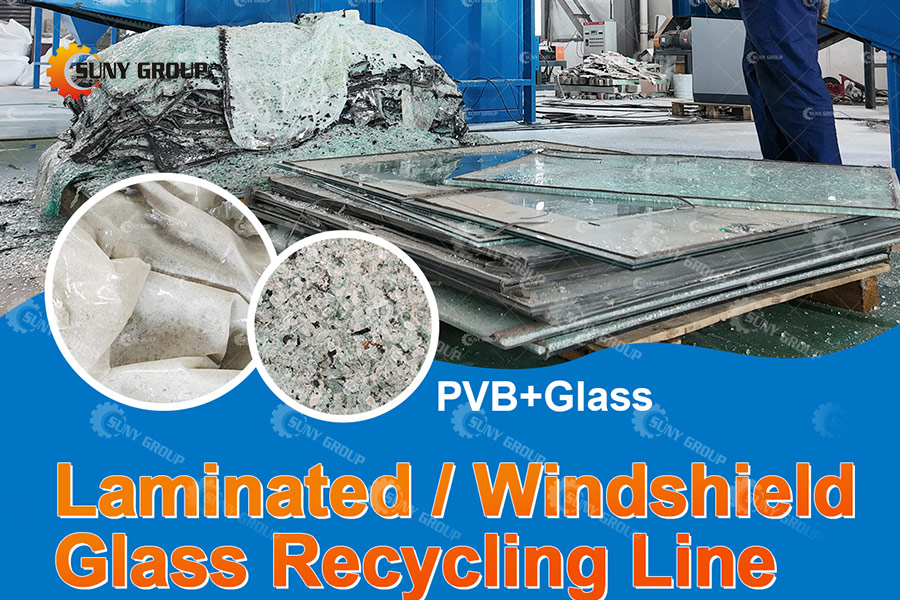 Turnkey Customized windshield recycling line
 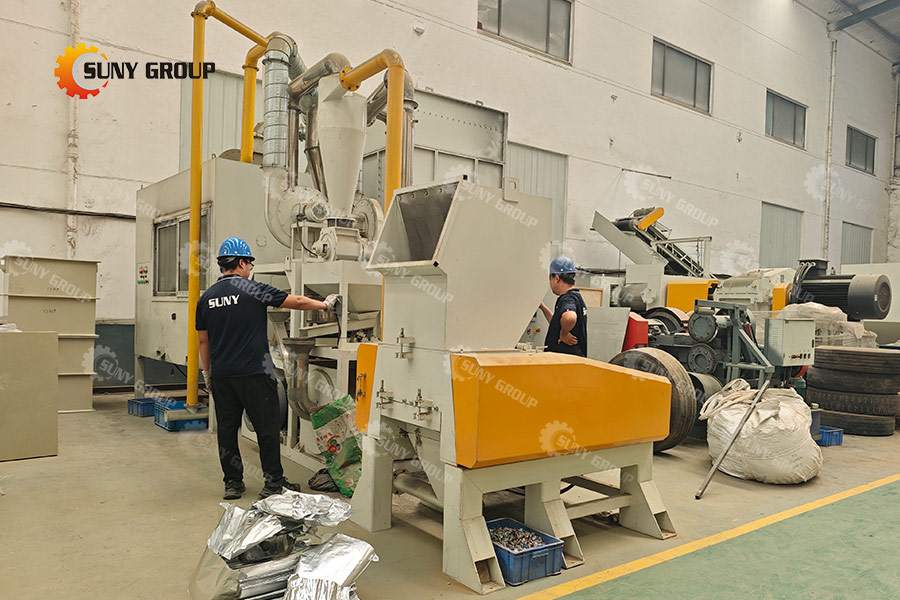 How Does an ACP (Aluminium Composite Panel) Recycling Plant Work?
 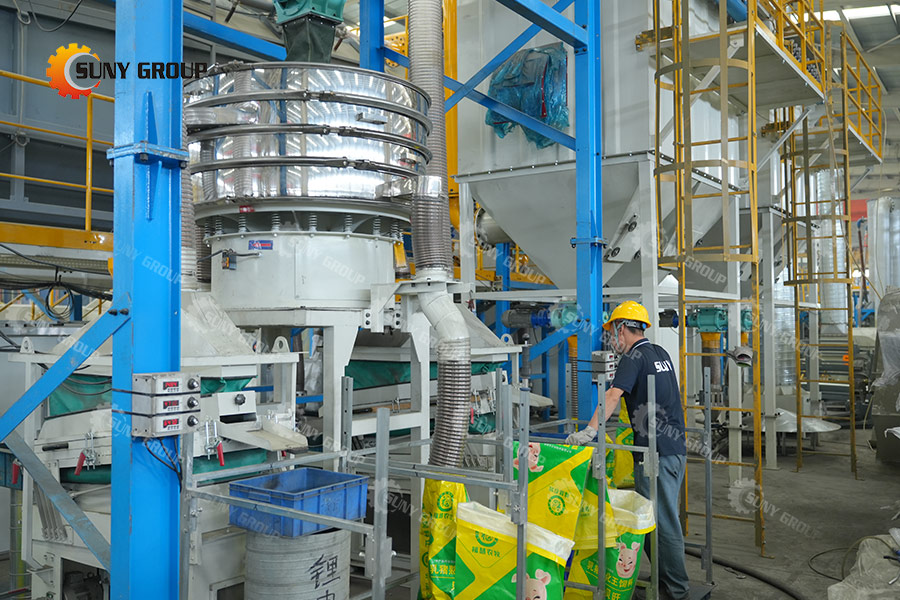 Equipment of Lithium Battery Recycling
 -
Contact Us
HAVE QUESTIONS?
Leave your details and we will reply to your message in 24 hours.
GET IN TOUCH!
WhatsApp

WeChat
-

SUNY GROUP has a reputation for excellence in providing advanced recycling solutions for solid waste such as e-waste, lithium batteries, photovoltaic panels, etc.We serve the global market and are a trusted partner for industries seeking innovative and sustainable recycling technologies.
-
SOLUTIONS
PV Solar Panel Recycling Plant Lithium Battery Recycling Plant E Waste Recycling Plant Waste Cable Wire Recycling Plant Waste Motor Recycling Machine Scrap Radiator Recycling Machine Aluminum Plastic Separation Machine Wind Turbine Blade Recycling Machine Paper Plastic Recycling Plant Refrigerator Recycling Plant -
PRODUCTS
Shredder & Cutter Machine Scrap Baler Machine Crinkle Paper Shredder UBC Decoating Furnace Car Windshield Recycling Machine Eddy Current Separator Machine -
LINKS
WHATSAPP : +86 15038128697 EMAIL : sales.sunycycle@gmail.com Factory Address:
No. 1123, Shangjie District,
Zhengzhou, Henan, China (Mainland)