

How Does an ACP (Aluminium Composite Panel) Recycling Plant Work?
Aluminum Composite Panels (ACP) are widely used in modern architecture, signage, and interior design due to their attractive appearance, durability, and lightweight nature. However, the renovation or demolition of buildings generates large quantities of waste ACP every year. For a long time, the disposal or incineration of these materials has caused significant environmental pollution.
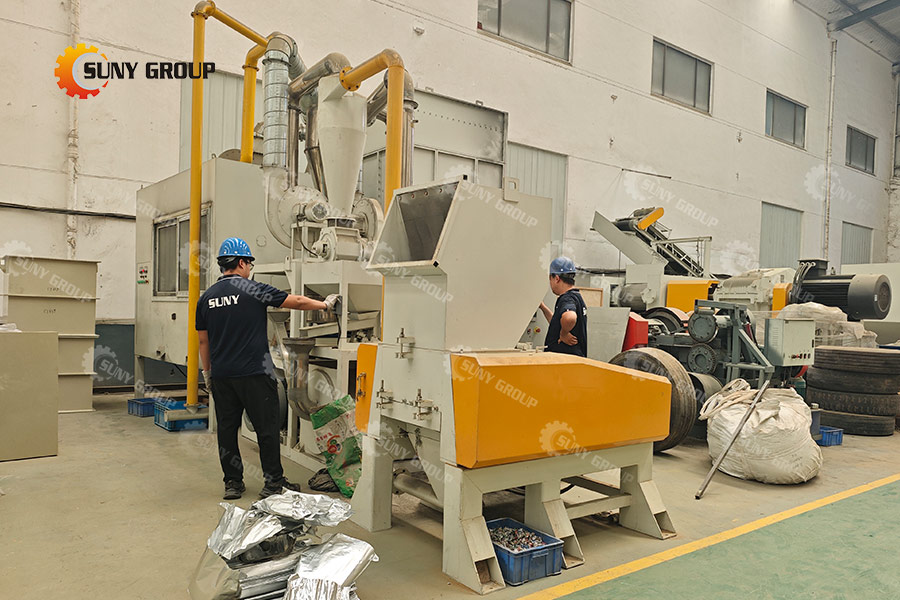
Today, thanks to advanced ACP recycling facilities, recovering these materials is not only environmentally friendly but also economically rewarding. So, how are these waste panels transformed back into pure aluminum and plastic?
Step 1: Pre-shredding. A shredder breaks down large ACP panels into smaller, manageable pieces (typically around 3 to 5 centimeters).
Step 2: Fine crushing and grinding. Once shredded, the material is fed into a hammer mill or a specialized grinding machine.
Step 3: Screening and air classification. Airflow or vibrating screens are used to remove dust and perform an initial separation based on the size and weight of the materials.
Step 4: Electrostatic separation—the core stage of the entire ACP recycling system. Since aluminum is a conductor and plastic is an insulator, they react differently within a high-voltage electric field. Electrostatic separation equipment effectively separates aluminum particles from plastic particles, collecting them into distinct streams. This entire process requires no water, chemical agents, or incineration, making it 100% eco-friendly.
Waste ACP can often be sourced at a very low cost—or even for free—while the recovered metal and plastic hold significant market value, turning industrial waste into a reliable source of revenue. Are you planning to set up your own ACP recycling line? Contact our technical team today for a customized quote and project consultation: sales.sunycycle@gmail.com
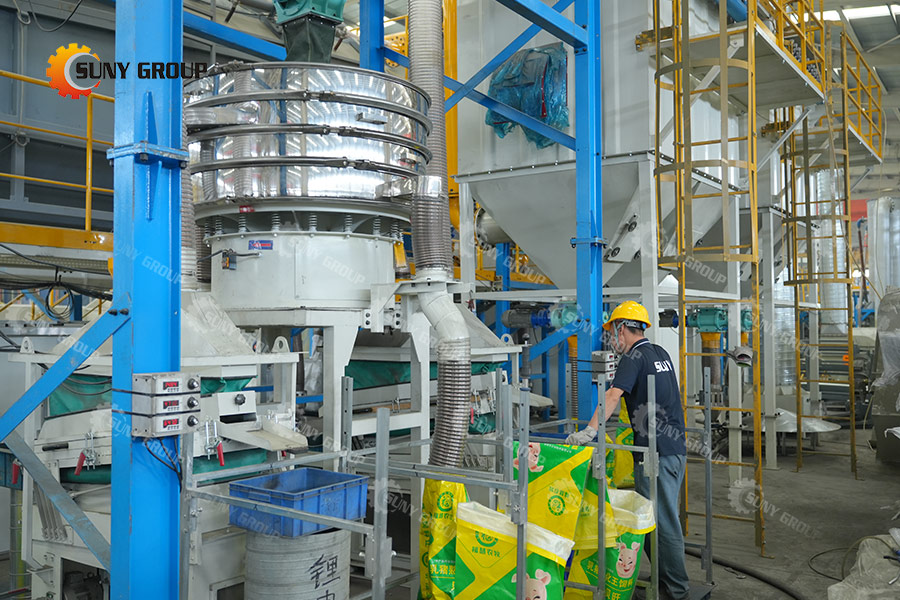 Equipment of Lithium Battery Recycling
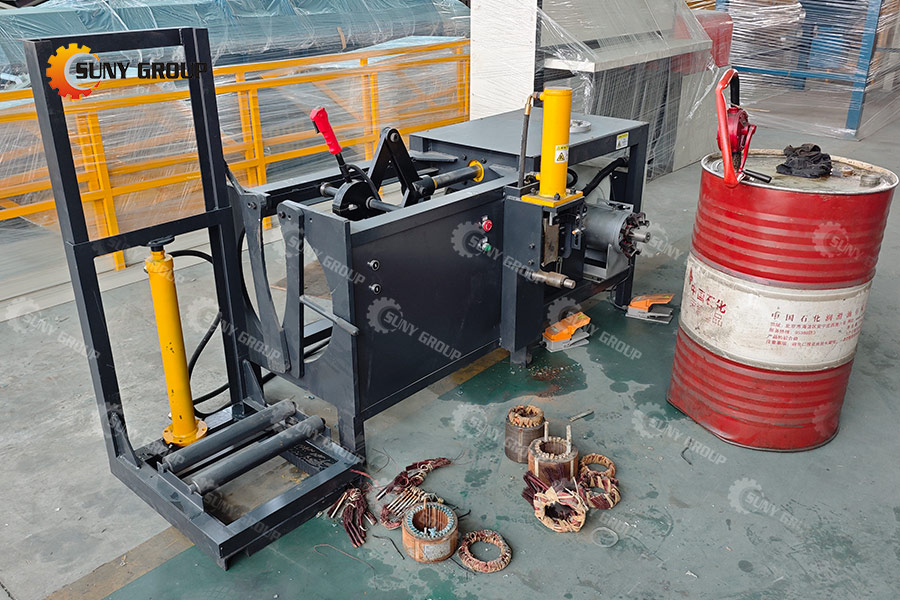 Multifunctional Stator and Rotor Disassembly Machine
-
Contact Us
HAVE QUESTIONS?
Leave your details and we will reply to your message in 24 hours.
GET IN TOUCH!
WhatsApp

WeChat
-

SUNY GROUP has a reputation for excellence in providing advanced recycling solutions for solid waste such as e-waste, lithium batteries, photovoltaic panels, etc.We serve the global market and are a trusted partner for industries seeking innovative and sustainable recycling technologies.
-
SOLUTIONS
PV Solar Panel Recycling Plant Lithium Battery Recycling Plant E Waste Recycling Plant Waste Cable Wire Recycling Plant Waste Motor Recycling Machine Scrap Radiator Recycling Machine Aluminum Plastic Separation Machine Wind Turbine Blade Recycling Machine Paper Plastic Recycling Plant Refrigerator Recycling Plant -
PRODUCTS
Shredder & Cutter Machine Scrap Baler Machine Crinkle Paper Shredder UBC Decoating Furnace Car Windshield Recycling Machine Eddy Current Separator Machine -
LINKS
WHATSAPP : +86 15038128697 EMAIL : sales.sunycycle@gmail.com Factory Address:
No. 1123, Shangjie District,
Zhengzhou, Henan, China (Mainland)