

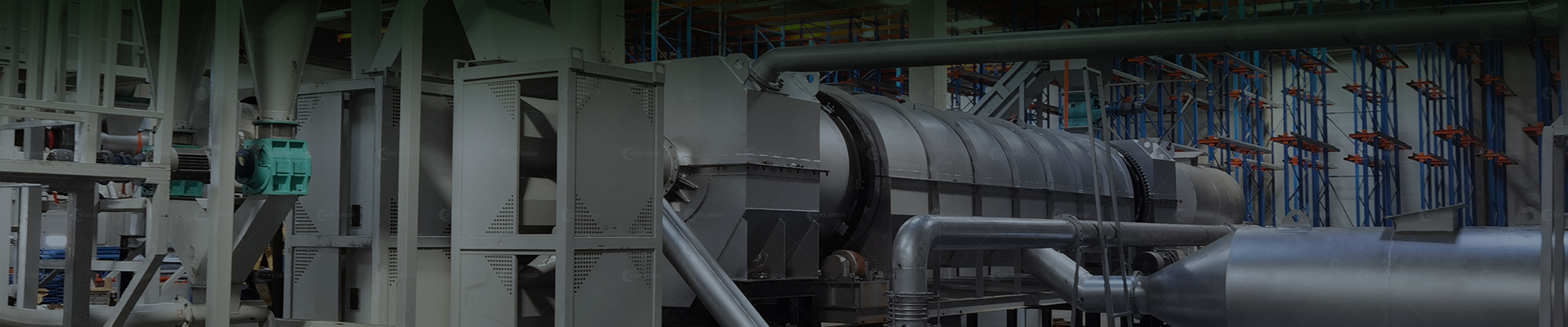
Photovoltaic Module Dismantling Equipment Technology
As the wave of photovoltaic (PV) module decommissioning accelerates, the equipment used for dismantling these modules is undergoing profound technological transformation. The shift from traditional methods—such as chemical immersion and high-temperature pyrolysis—to fully physical, automated dismantling processes has not only boosted recycling efficiency but has also established environmental sustainability as a defining feature of the PV industry’s closed-loop supply chain.
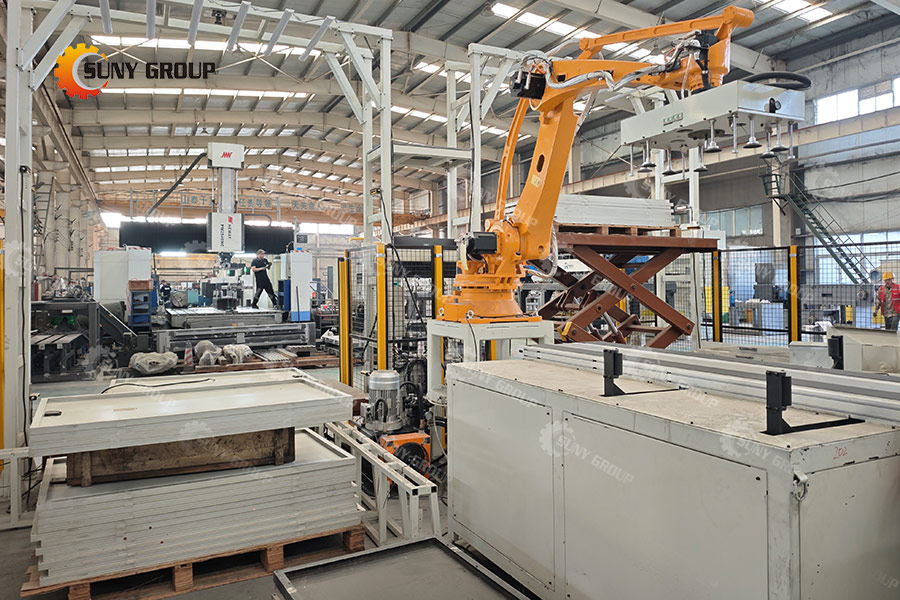
Unlike traditional pyrolysis, fully physical dismantling processes require no chemical reagents and avoid high-temperature thermal decomposition; by preventing the generation of harmful gases at the source, they achieve truly eco-friendly recycling. A prime example is a containerized, fully physical dismantling system developed independently by a specific enterprise: it boasts a processing capacity of at least 45 modules per hour and an annual throughput exceeding 10,000 tons. Compared to traditional pyrolysis, energy consumption is reduced by over 45%, and overall recycling costs are more than 30% lower than those of conventional fixed-facility plants. This technological advantage not only delivers significant economic benefits to the enterprise but also serves as a model for the green development of the PV module recycling industry.
A complete PV module dismantling system typically operates through a series of specific process steps—including junction box removal, frame detachment, module heating, backsheet removal, and the scraping of adhesive-coated solar cells—enabling the full separation of aluminum alloy frames, junction boxes, metal ribbons, polymer backsheets, adhesive-coated cells, and PV glass. This precision dismantling approach yields impressive recovery rates for high-value components. Research indicates that, through intelligent dismantling and material regeneration technologies, the recovery rate for precious metals like silver can exceed 95%. The high-purity silicon and silver recovered can be fed directly back into the PV supply chain for the manufacture of new modules, while glass and aluminum can be supplied to related sectors such as the building materials industry, thereby achieving efficient closed-loop integration with key supply chains like PV manufacturing and green construction materials.
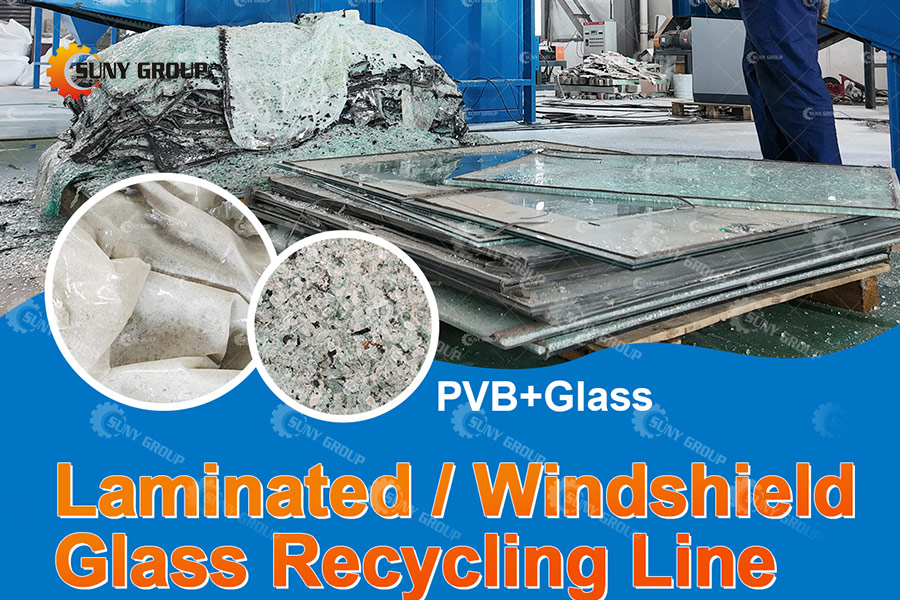 Turnkey Customized windshield recycling line
 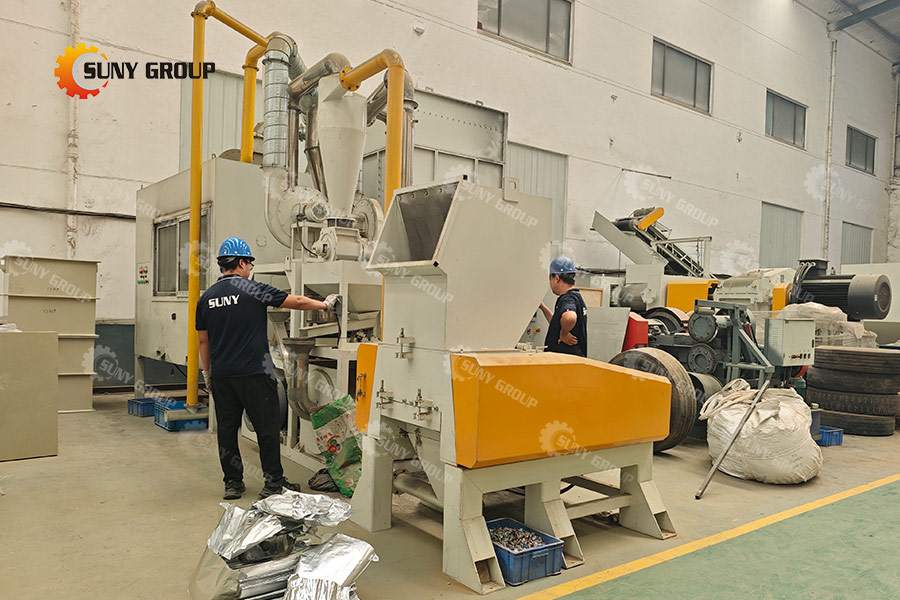 How Does an ACP (Aluminium Composite Panel) Recycling Plant Work?
 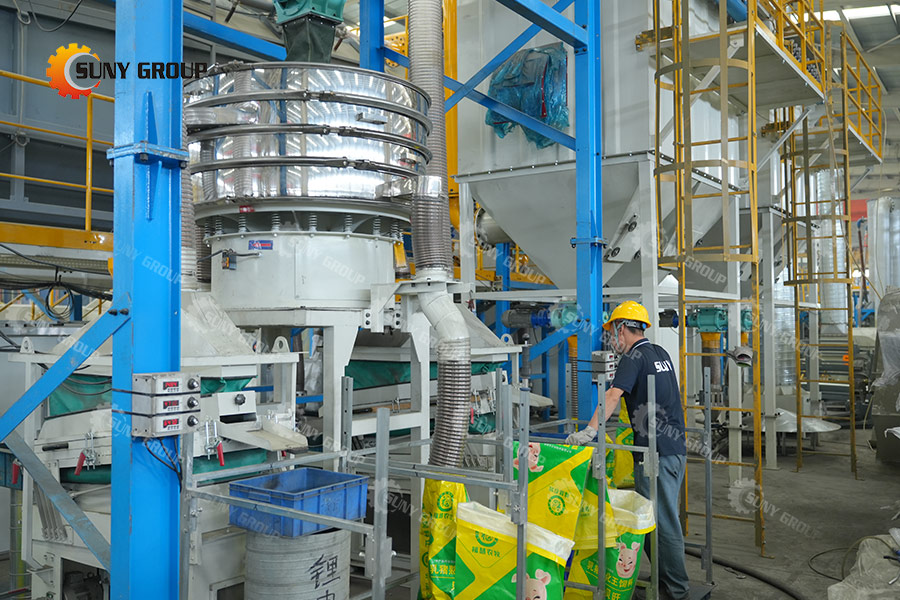 Equipment of Lithium Battery Recycling
 -
Contact Us
HAVE QUESTIONS?
Leave your details and we will reply to your message in 24 hours.
GET IN TOUCH!
WhatsApp

WeChat
-

SUNY GROUP has a reputation for excellence in providing advanced recycling solutions for solid waste such as e-waste, lithium batteries, photovoltaic panels, etc.We serve the global market and are a trusted partner for industries seeking innovative and sustainable recycling technologies.
-
SOLUTIONS
PV Solar Panel Recycling Plant Lithium Battery Recycling Plant E Waste Recycling Plant Waste Cable Wire Recycling Plant Waste Motor Recycling Machine Scrap Radiator Recycling Machine Aluminum Plastic Separation Machine Wind Turbine Blade Recycling Machine Paper Plastic Recycling Plant Refrigerator Recycling Plant -
PRODUCTS
Shredder & Cutter Machine Scrap Baler Machine Crinkle Paper Shredder UBC Decoating Furnace Car Windshield Recycling Machine Eddy Current Separator Machine -
LINKS
WHATSAPP : +86 15038128697 EMAIL : sales.sunycycle@gmail.com Factory Address:
No. 1123, Shangjie District,
Zhengzhou, Henan, China (Mainland)