

How to Ensure the Economic Viability of Scrap Wire Recycling?
In the recycling market, if you want to ensure that the scrap wire recycling equipment you purchase delivers a rapid return on investment (ROI), you must keep a sharp focus on the following three “golden” economic indicators that determine your ROI.
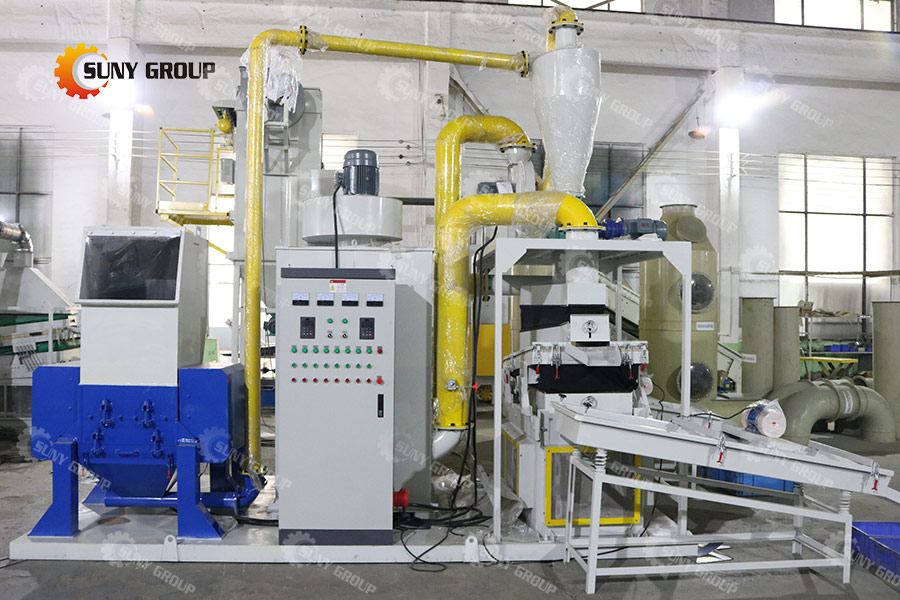
1. The Purity of the Final Copper Granules: The “Lifeline” Determining the Final Selling Price
In the recycled metal trading market, the price difference per ton between high-quality copper granules—boasting a purity of over 99%—and inferior loose copper contaminated with plastic scraps can amount to thousands of yuan.
Many newcomers to the recycling industry often fall into the trap of “focusing solely on processing volume while ignoring separation efficiency.” If the equipment’s separation technology is substandard—resulting in “copper remaining in the plastic waste” or “plastic scraps mixed into the copper granules”—it not only leads to the direct loss of precious metals but also causes the resulting copper granules to be heavily discounted by downstream smelters or traders. Therefore, selecting a *dry-type* copper granulator that combines advanced airflow separation with high-precision vibrating screens—thereby ensuring a metal separation purity of over 99%—is the primary prerequisite for safeguarding your profit margins.
2. Wire Diameter Compatibility Range: The Factor Determining Your “Bargaining Power” in Raw Material Procurement
The sources of raw materials for scrap wire recycling are highly diverse and complex; they range from thick industrial high-voltage cables and standard household wiring to dense bundles of automotive wiring harnesses, network cables, and even ultra-fine electronic capillary wires.
If your equipment is capable of processing only a single specification of thick wire, you will inevitably miss out on the vast market for inexpensive, mixed-grade scrap wire materials. A truly economically efficient piece of equipment should be capable of simultaneously processing and perfectly separating mixed wires of various diameters—without the need for frequent screen changes.
3. Actual Throughput vs. Energy Consumption Ratio: The Factor Determining the “Net Profit” Per Processed Ton
At its core, scrap wire recycling is a balancing act between “gross profit” and “operating costs.” When evaluating economic viability, you must meticulously calculate the following two figures:
Cost of Electricity Per Ton: When the entire equipment system (comprising crushing, conveying, separation, and dust collection units) is in actual operation, what is the total electricity cost—based on its aggregate power consumption—when amortized across every ton of raw material processed? Labor and Maintenance Costs: Highly automated equipment is designed to be easily operated by a single individual. However, if the machinery frequently jams or experiences material blockages—or if the crushing blades have an extremely short lifespan, necessitating frequent downtime for blade replacement—the resulting hidden costs associated with lost productivity and maintenance will directly erode your net profits.
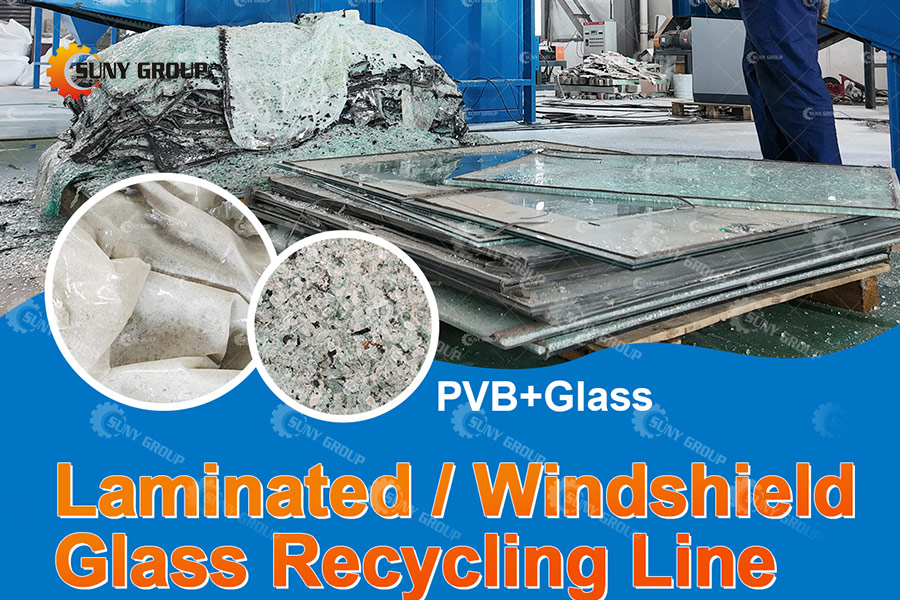 Turnkey Customized windshield recycling line
 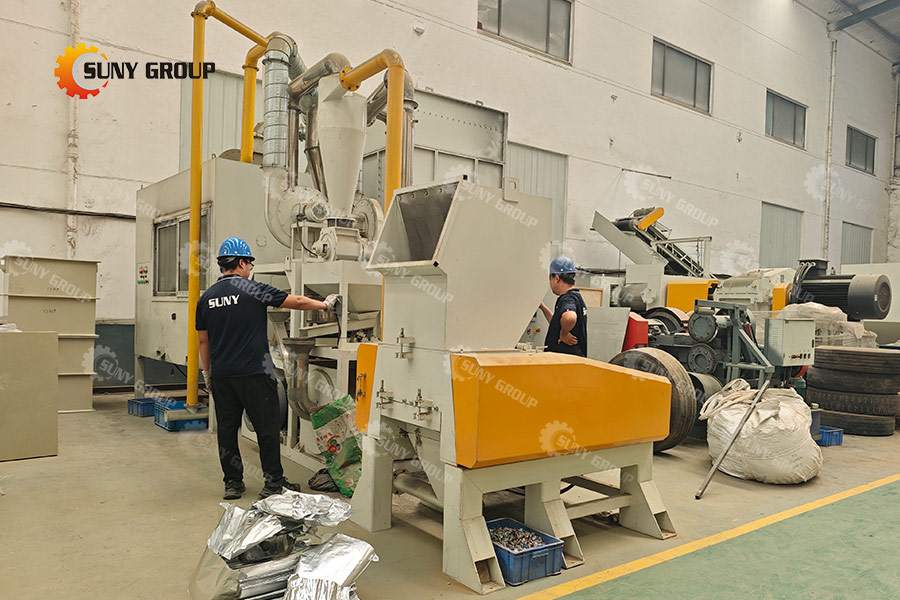 How Does an ACP (Aluminium Composite Panel) Recycling Plant Work?
 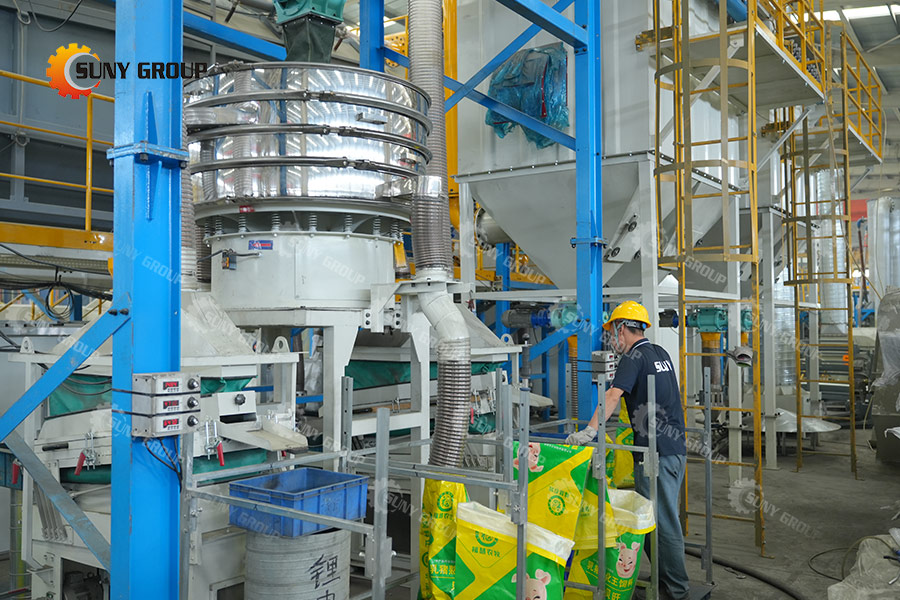 Equipment of Lithium Battery Recycling
 -
Contact Us
HAVE QUESTIONS?
Leave your details and we will reply to your message in 24 hours.
GET IN TOUCH!
WhatsApp

WeChat
-

SUNY GROUP has a reputation for excellence in providing advanced recycling solutions for solid waste such as e-waste, lithium batteries, photovoltaic panels, etc.We serve the global market and are a trusted partner for industries seeking innovative and sustainable recycling technologies.
-
SOLUTIONS
PV Solar Panel Recycling Plant Lithium Battery Recycling Plant E Waste Recycling Plant Waste Cable Wire Recycling Plant Waste Motor Recycling Machine Scrap Radiator Recycling Machine Aluminum Plastic Separation Machine Wind Turbine Blade Recycling Machine Paper Plastic Recycling Plant Refrigerator Recycling Plant -
PRODUCTS
Shredder & Cutter Machine Scrap Baler Machine Crinkle Paper Shredder UBC Decoating Furnace Car Windshield Recycling Machine Eddy Current Separator Machine -
LINKS
WHATSAPP : +86 15038128697 EMAIL : sales.sunycycle@gmail.com Factory Address:
No. 1123, Shangjie District,
Zhengzhou, Henan, China (Mainland)