

How can the paint coating on used beverage cans be efficiently removed?
In the aluminum recycling supply chain, used beverage cans are a highly prized raw material for secondary aluminum plants. If they are fed directly into the furnace for smelting without paint removal, the thin aluminum oxidizes rapidly into dross at high temperatures—resulting in high burn-off losses—and generates pungent black smoke and organic impurities that severely compromise the purity of the molten aluminum.
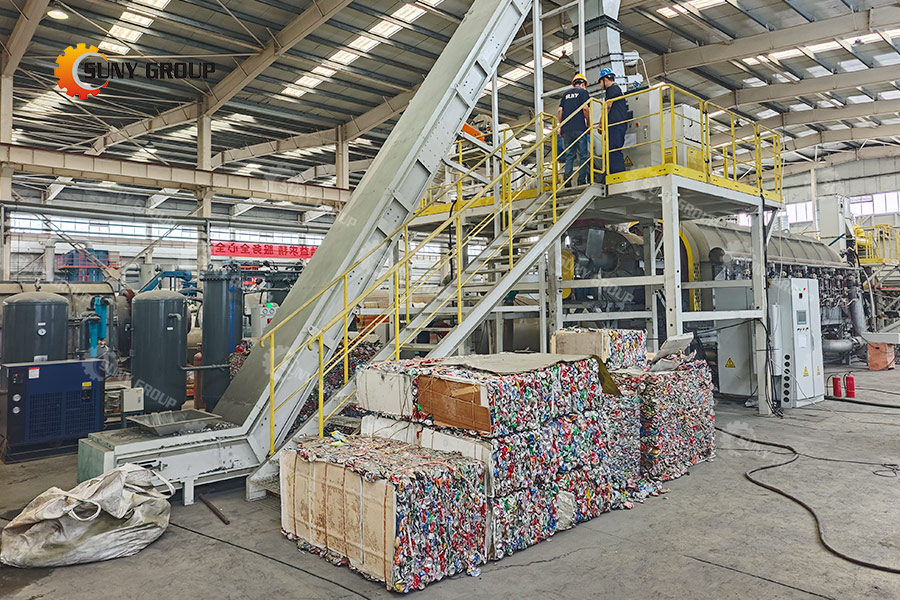
So, how exactly do industrial-scale operations remove paint from cans efficiently and in an environmentally friendly manner?
Currently, the most mature, efficient, and eco-compliant method used in modern aluminum recycling plants is “continuous high-temperature carbonization and baking.” The core principle involves controlled-temperature dry distillation (pyrolysis) in an oxygen-free or oxygen-depleted environment.
Baled cans first enter a dual-shaft shredder, where they are cut into uniform flakes measuring 3–5 cm; a magnetic separator then removes impurities such as iron nails and lids. Shredding the cans into flakes significantly improves heat uniformity during the subsequent paint removal process.
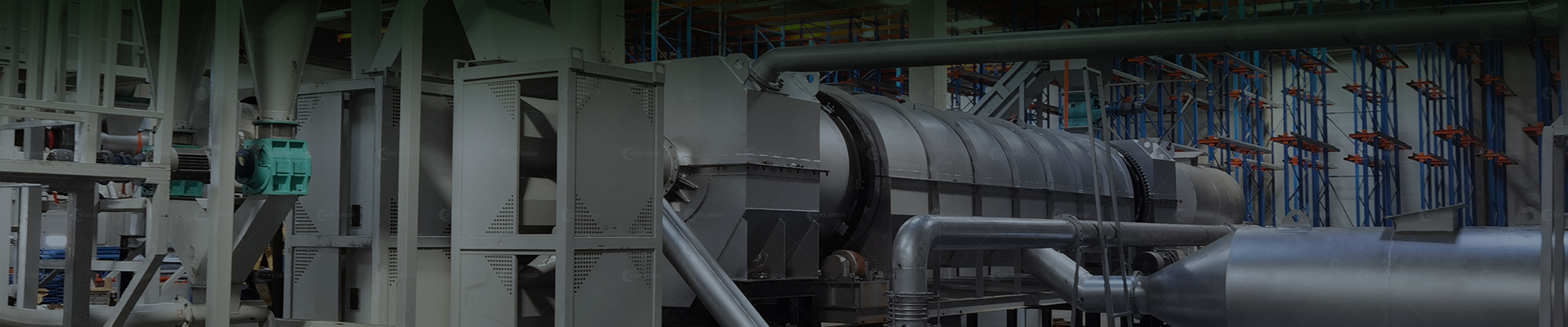
The aluminum flakes are fed into a continuous rotary paint-removal furnace. In an oxygen-free atmosphere at temperatures between 500°C and 550°C, the ink and organic resin layers on the cans undergo rapid pyrolysis and dry distillation; the heat causes them to carbonize and naturally flake off. Within this optimal temperature range, the organic paint layers are completely eliminated while the thin aluminum flakes remain intact.
As the flakes tumble inside the rotary drum, they rub against one another, shaking off any residual carbonized ash. Finally, the material passes through a vibrating screen and an air classification system; carbon ash and paint residue are fully extracted, leaving behind clean aluminum flakes that gleam with a metallic luster.
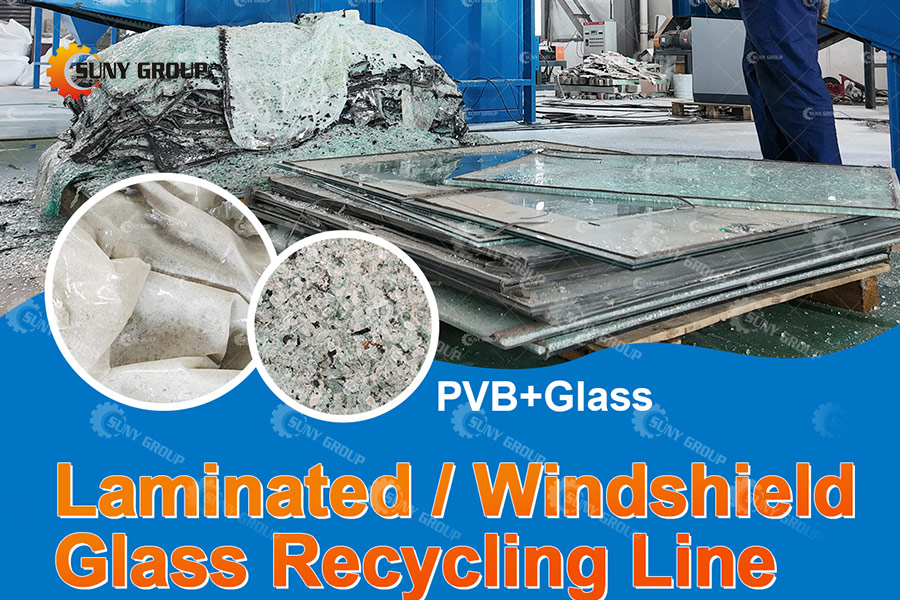 Turnkey Customized windshield recycling line
 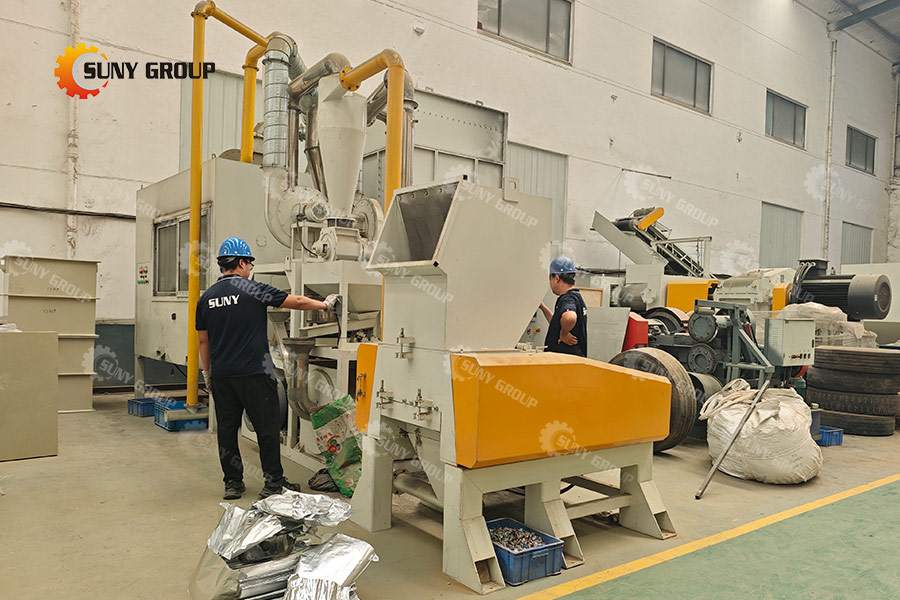 How Does an ACP (Aluminium Composite Panel) Recycling Plant Work?
  Equipment of Lithium Battery Recycling
 -
Contact Us
HAVE QUESTIONS?
Leave your details and we will reply to your message in 24 hours.
GET IN TOUCH!
WhatsApp

WeChat
-

SUNY GROUP has a reputation for excellence in providing advanced recycling solutions for solid waste such as e-waste, lithium batteries, photovoltaic panels, etc.We serve the global market and are a trusted partner for industries seeking innovative and sustainable recycling technologies.
-
SOLUTIONS
PV Solar Panel Recycling Plant Lithium Battery Recycling Plant E Waste Recycling Plant Waste Cable Wire Recycling Plant Waste Motor Recycling Machine Scrap Radiator Recycling Machine Aluminum Plastic Separation Machine Wind Turbine Blade Recycling Machine Paper Plastic Recycling Plant Refrigerator Recycling Plant -
PRODUCTS
Shredder & Cutter Machine Scrap Baler Machine Crinkle Paper Shredder UBC Decoating Furnace Car Windshield Recycling Machine Eddy Current Separator Machine -
LINKS
WHATSAPP : +86 15038128697 EMAIL : sales.sunycycle@gmail.com Factory Address:
No. 1123, Shangjie District,
Zhengzhou, Henan, China (Mainland)