

How are aluminum-plastic composite materials recycled?
The core function of aluminum-plastic separation equipment is to completely separate the metallic aluminum from the non-metallic plastic found in shredded waste aluminum-plastic composites (such as blister packs, aluminum-plastic panels, and aluminum-plastic films).
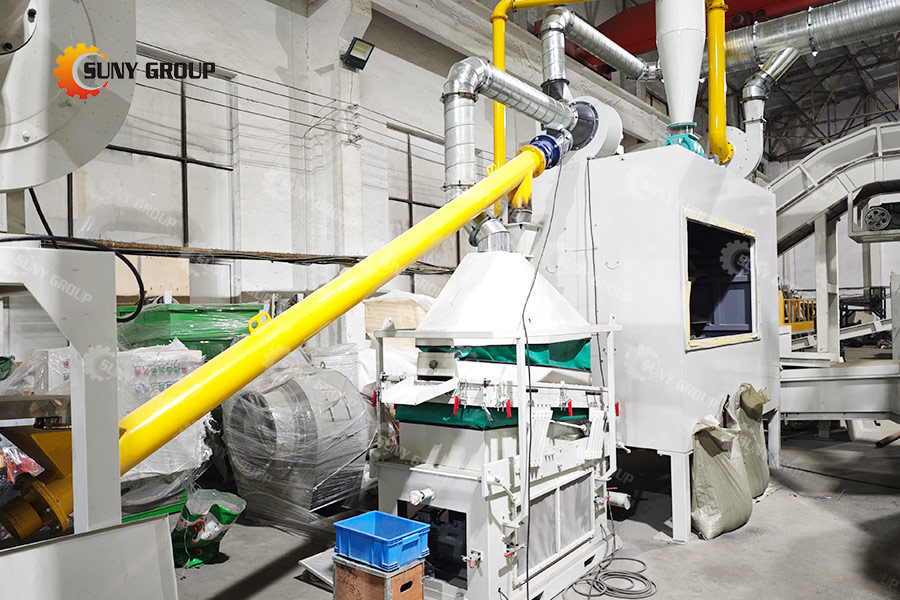
Aluminum-plastic composites are tightly bonded by high-strength adhesives. First, a knife-type shredder and a pulverizer are used to grind the raw material into fine powder or small granules (ranging from 20 to 120 mesh). At this stage, the aluminum particles and plastic particles are physically dissociated and no longer adhere to one another.
The resulting mixture enters an airflow gravity separator. Because the density of aluminum is significantly higher than that of plastic, the heavier aluminum particles settle at the bottom, while the lighter plastic particles float to the top and flow toward the opposite end, achieving an initial separation rate of 70%–80%.
Subsequently, the mixture—which still contains trace amounts of plastic—enters a high-voltage electrostatic separator. Aluminum is a good conductor, whereas plastic is an insulator (non-conductor). This step is crucial for achieving ultra-high purity levels of 99% for both the aluminum and the plastic.
Compared to traditional chemical burning or acid leaching methods, SUNYGROUP’s aluminum-plastic separation equipment generates no wastewater, waste gas, or harmful fumes, fully complying with environmental regulations. The combined recovery purity of the aluminum and plastic can reach 98%–99.5%. The separated aluminum powder can be sold directly to smelters or used as a foaming agent for aerated concrete, while the plastic powder can be used directly for pelletizing or pipe manufacturing.
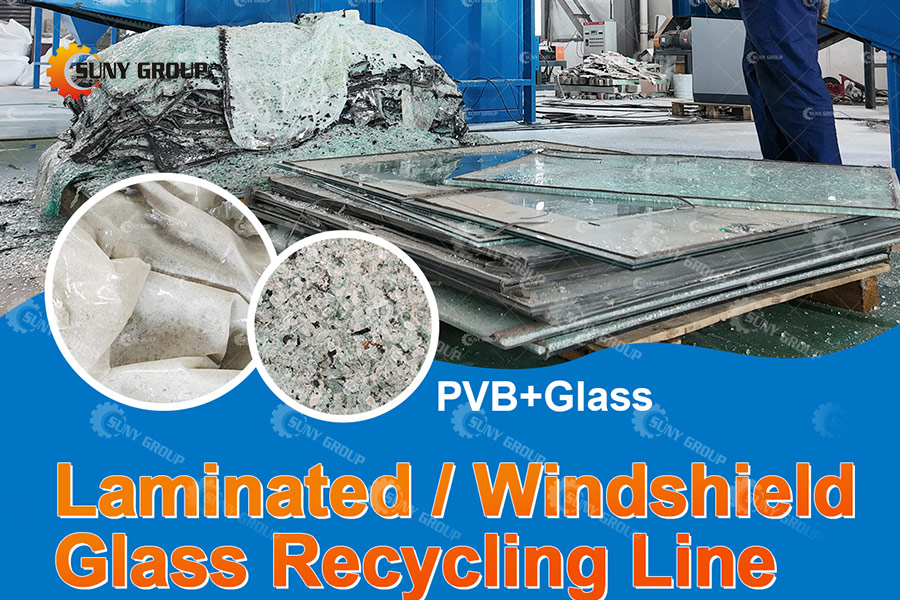 Turnkey Customized windshield recycling line
 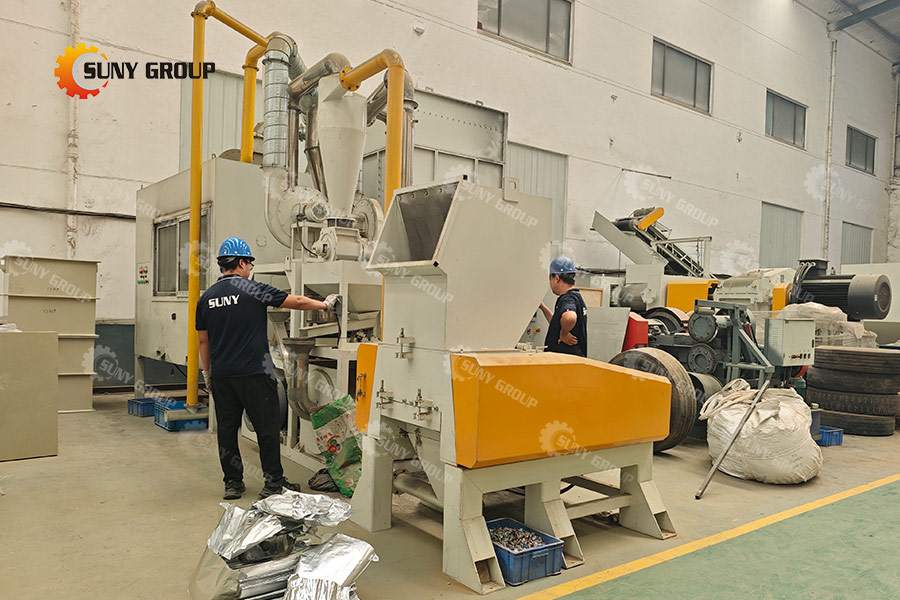 How Does an ACP (Aluminium Composite Panel) Recycling Plant Work?
 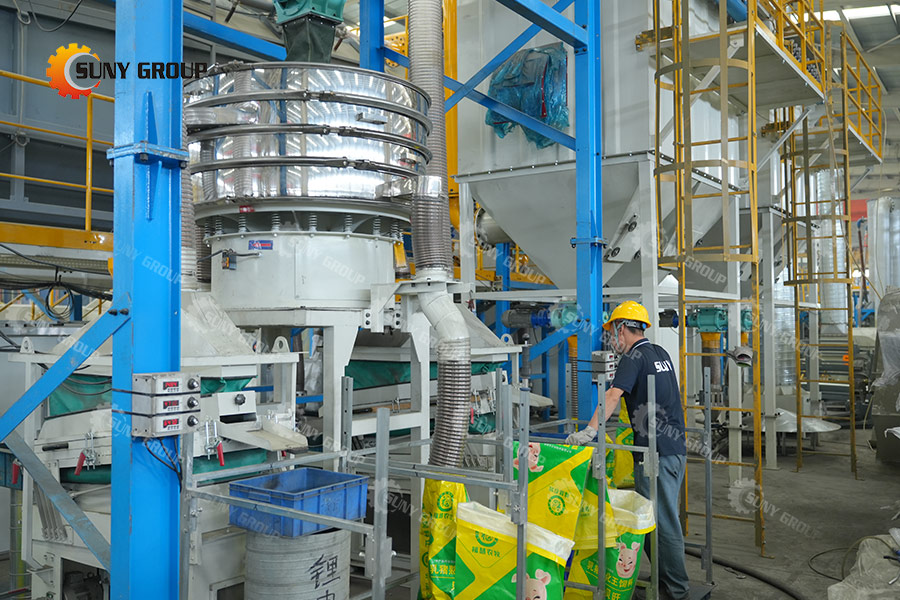 Equipment of Lithium Battery Recycling
 -
Contact Us
HAVE QUESTIONS?
Leave your details and we will reply to your message in 24 hours.
GET IN TOUCH!
WhatsApp

WeChat
-

SUNY GROUP has a reputation for excellence in providing advanced recycling solutions for solid waste such as e-waste, lithium batteries, photovoltaic panels, etc.We serve the global market and are a trusted partner for industries seeking innovative and sustainable recycling technologies.
-
SOLUTIONS
PV Solar Panel Recycling Plant Lithium Battery Recycling Plant E Waste Recycling Plant Waste Cable Wire Recycling Plant Waste Motor Recycling Machine Scrap Radiator Recycling Machine Aluminum Plastic Separation Machine Wind Turbine Blade Recycling Machine Paper Plastic Recycling Plant Refrigerator Recycling Plant -
PRODUCTS
Shredder & Cutter Machine Scrap Baler Machine Crinkle Paper Shredder UBC Decoating Furnace Car Windshield Recycling Machine Eddy Current Separator Machine -
LINKS
WHATSAPP : +86 15038128697 EMAIL : sales.sunycycle@gmail.com Factory Address:
No. 1123, Shangjie District,
Zhengzhou, Henan, China (Mainland)