

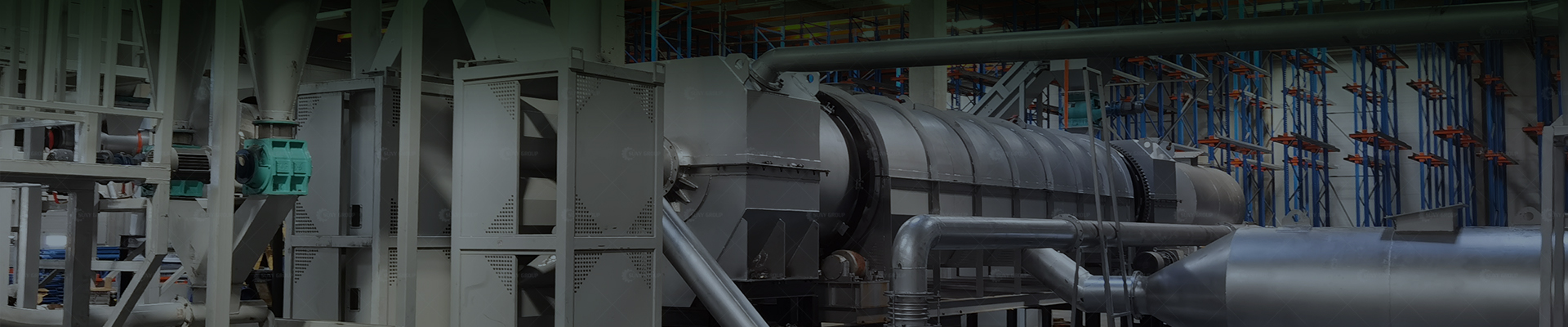
E-waste dismantling and recycling facility
Recycling waste circuit boards is a solid waste treatment process that demands high technical expertise and offers significant economic value. Circuit boards contain not only substantial amounts of base metals—such as copper and aluminum—but also precious metals like gold, silver, palladium, and platinum. At the same time, they incorporate complex components, including epoxy resins, glass fibers, and brominated flame retardants.
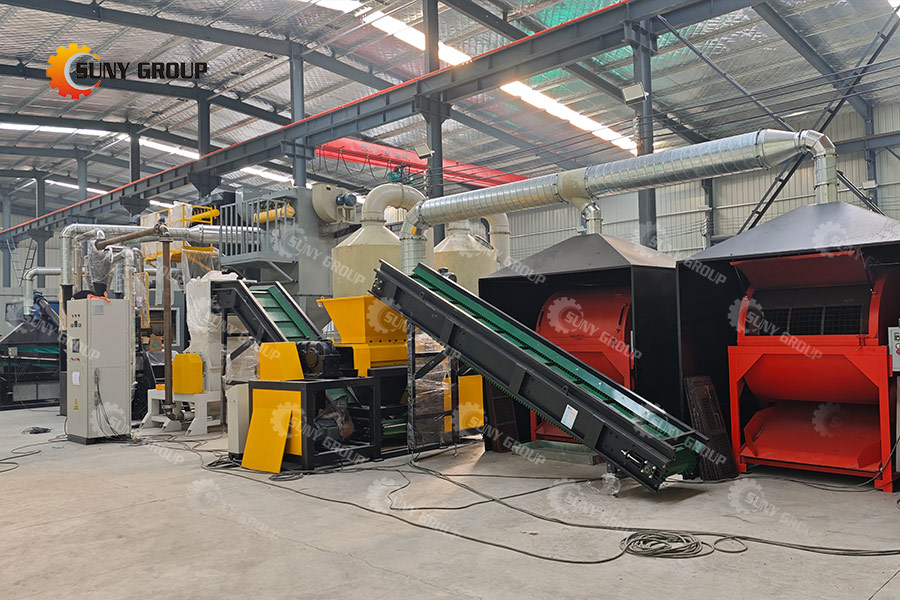
The whole process for recycling waste circuit boards generally consists of four main stages:
1. Dismantling and Pre-treatment
Thermal Dismantling of Components: Before undergoing heavy-duty shredding, the circuit boards are typically processed using specialized thermal dismantling equipment. Through precise temperature control, the solder is melted, allowing various electronic components (such as chips, capacitors, and connectors) to detach automatically from the board surface, after which they are collected and sorted.
2. Multi-stage Shredding and Mechanical Separation
The pre-treated circuit board substrates are fed into a heavy-duty dual-shaft shredder for primary size reduction, followed by processing in a high-efficiency impact mill or hammer mill.
3. High-Precision Physical Dry Separation process
Utilizing principles of aerodynamics and differences in specific gravity, the material undergoes air-flow classification to separate lighter resin and fiber particles from heavier metal granules.
4. Precious Metal Extraction Process
For high-value fine materials or enriched fractions, specialized hydrometallurgical techniques—such as chemical leaching, ion exchange, or electrolytic deposition—or refining processes are employed to efficiently recover precious metals, including gold (Au), silver (Ag), palladium (Pd), and platinum (Pt).
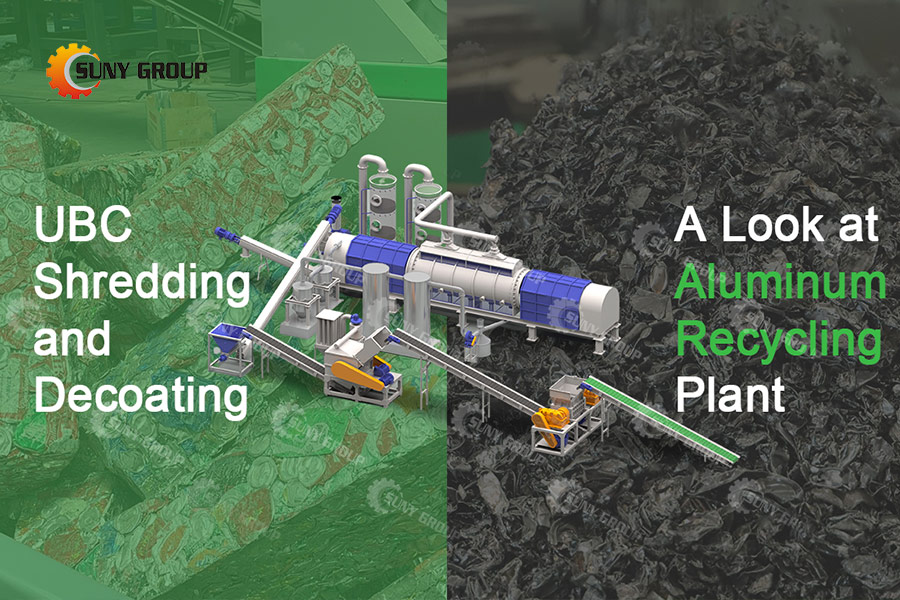 SUNYGROUP UBC decoating line
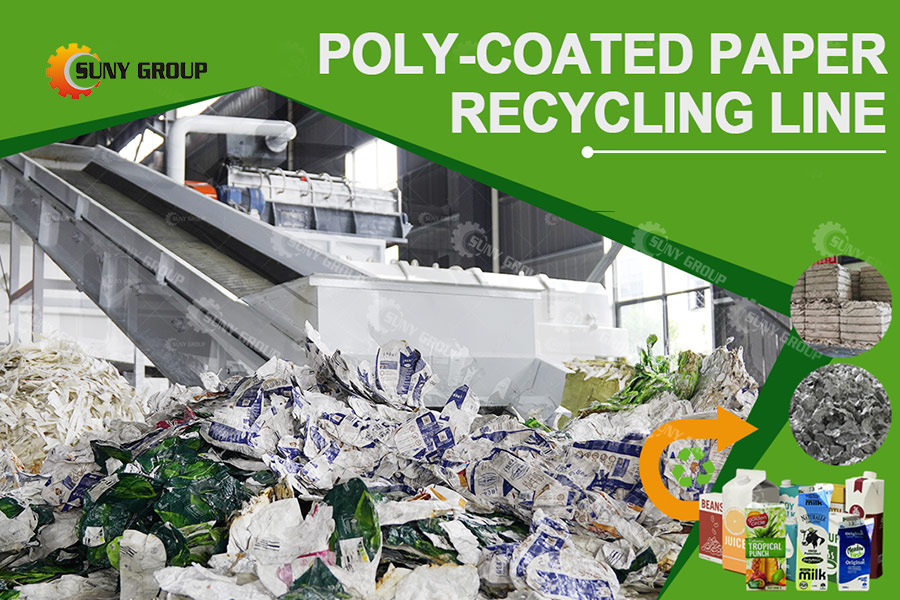 Paper and plastic recycling machine
-
Contact Us
HAVE QUESTIONS?
Leave your details and we will reply to your message in 24 hours.
GET IN TOUCH!
WhatsApp

WeChat
-

SUNY GROUP has a reputation for excellence in providing advanced recycling solutions for solid waste such as e-waste, lithium batteries, photovoltaic panels, etc.We serve the global market and are a trusted partner for industries seeking innovative and sustainable recycling technologies.
-
SOLUTIONS
PV Solar Panel Recycling Plant Lithium Battery Recycling Plant E Waste Recycling Plant Waste Cable Wire Recycling Plant Waste Motor Recycling Machine Scrap Radiator Recycling Machine Aluminum Plastic Separation Machine Wind Turbine Blade Recycling Machine Paper Plastic Recycling Plant Refrigerator Recycling Plant -
PRODUCTS
Shredder & Cutter Machine Scrap Baler Machine Crinkle Paper Shredder UBC Decoating Furnace Car Windshield Recycling Machine Eddy Current Separator Machine -
LINKS
WHATSAPP : +86 15038128697 EMAIL : sales.sunycycle@gmail.com Factory Address:
No. 1123, Shangjie District,
Zhengzhou, Henan, China (Mainland)