

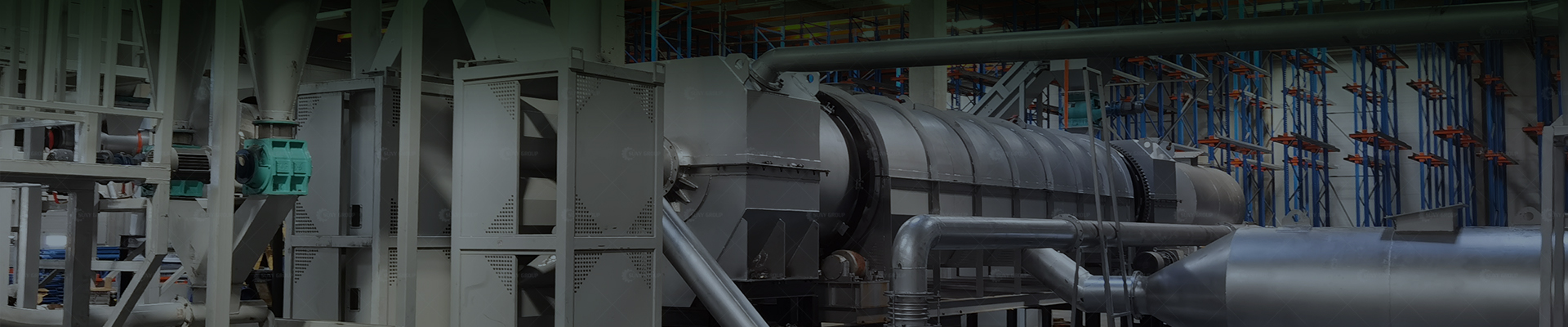
SUNYGROUP UBC decoating line
In the aluminum recycling and secondary aluminum processing industry, the carbonization-based removal of paint from used beverage cans (UBCs) is a critical pre-treatment process. The primary significance of this process lies in the following aspects:
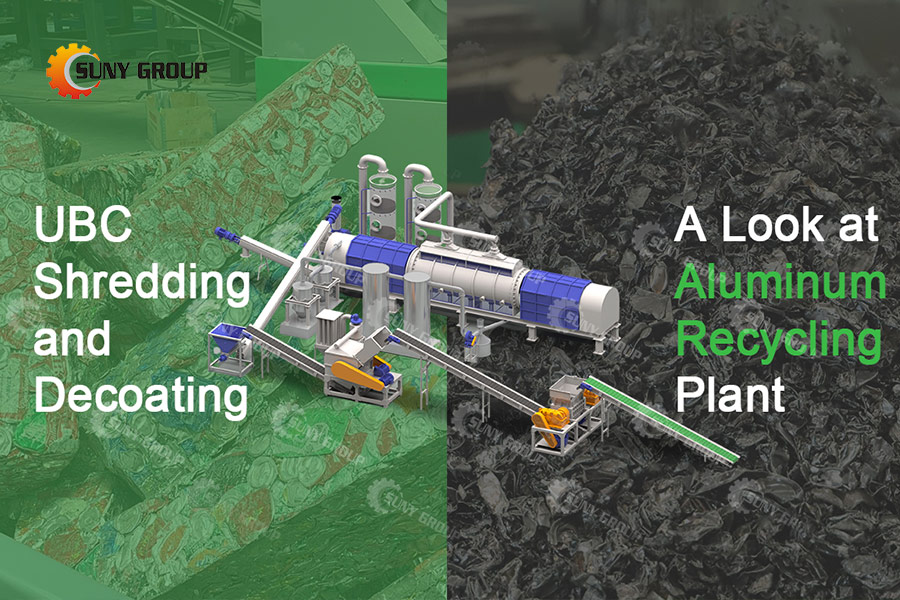
1. Improving the Purity and Quality of Recycled Aluminum
The paint, printing ink, and coatings on the surface of beverage cans are organic substances. If these are not removed before the cans are fed into a furnace, they will undergo pyrolysis and carbonization during the high-temperature melting process, generating significant amounts of gases and impurities that remain trapped in the molten aluminum. By controlling the temperature, the carbonization process ensures that these organic coatings are completely pyrolyzed and converted into carbon residue, effectively separating them from the aluminum substrate. This results in high-purity recycled aluminum ingots that are free from inclusions and porosity.
2. Reducing Metal Loss and Increasing Aluminum Recovery Rates
If painted beverage cans are melted directly at high temperatures, the combustion of the organic coatings can create localized high-temperature zones, causing some of the aluminum to oxidize (forming aluminum oxide). This leads to the “burning loss” of valuable metallic aluminum. Removing the paint layer beforehand—by converting it into carbon powder via a carbonization furnace—protects the aluminum substrate, significantly boosting the actual recovery rate and economic efficiency of the recycling process.
3. Ensuring Environmental Compliance and Preventing Noxious Fumes and Odors
Direct combustion of the paints and plastic coatings found on beverage cans releases large quantities of volatile organic compounds (VOCs), dioxins, irritating smoke, and foul-smelling gases. These emissions cause severe environmental pollution and would fail to meet environmental regulatory standards. Modern carbonization-based paint removal systems typically feature a sealed, slightly negative-pressure design, coupled with exhaust gas purification systems. The combustible gases or fumes generated during pyrolysis are captured and either incinerated or purified to meet emission standards (with some even repurposed as a heat source), thereby enabling cleaner production.
4. Improving Operating Conditions and Energy Efficiency in Downstream Melting Furnaces
Once the paint has been removed via carbonization, the impurities and moisture on the surface of the aluminum can fragments have been largely eliminated. When the material subsequently enters a reverberatory or induction furnace for melting, it does not generate excessive foamy slag or trigger violent, gas-evolving reactions. This ensures a more stable and efficient melting process, which in turn reduces overall energy consumption and extends the service life of the furnace lining.
The carbonization process for removing paint from aluminum beverage cans embodies the principles of “turning waste into value,” “enhancing quality and efficiency,” and “promoting environmental sustainability.” It represents an essential technological pathway for the aluminum recycling industry as it evolves toward greater precision, lower carbon emissions, and full regulatory compliance.
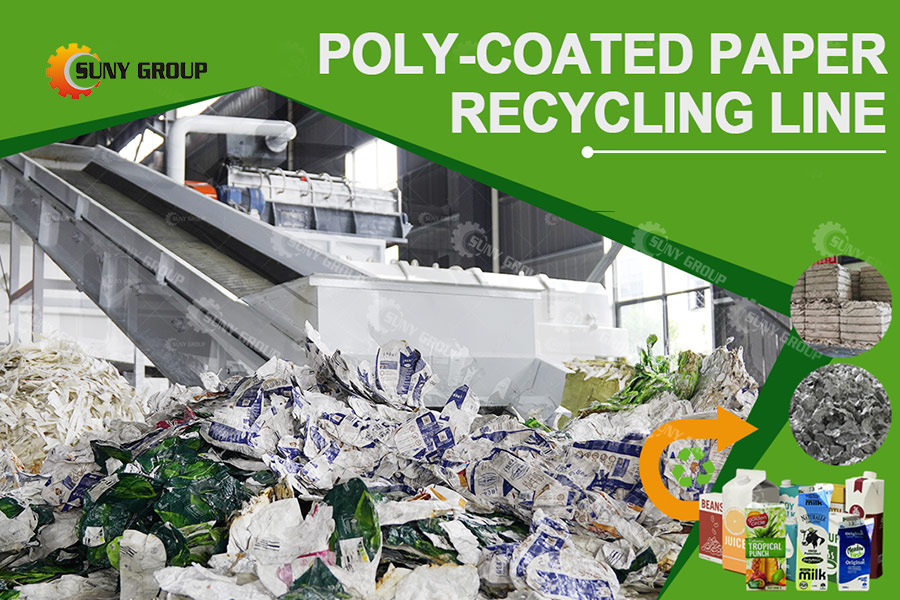 Paper and plastic recycling machine
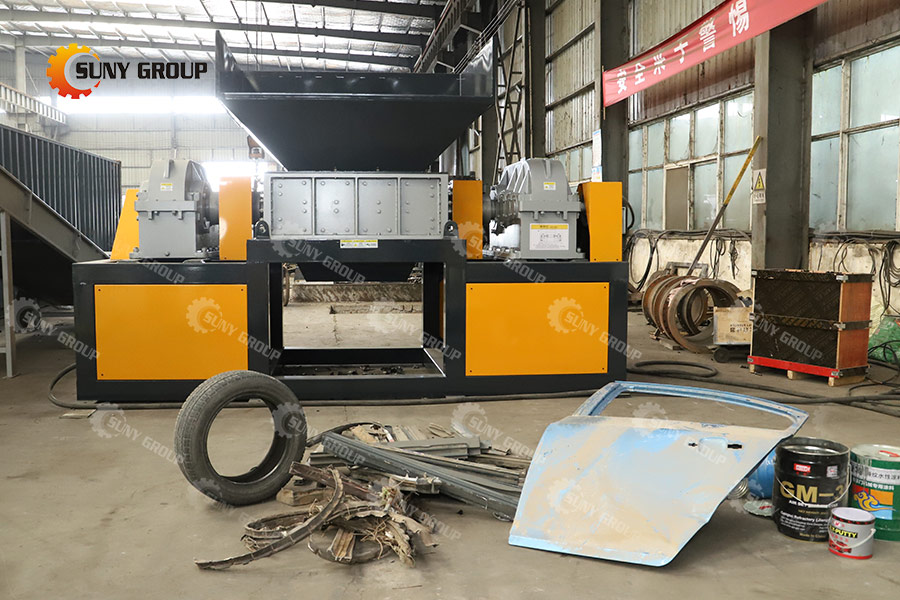 Heavy Duty Dual Shaft Tire Shredders
-
Contact Us
HAVE QUESTIONS?
Leave your details and we will reply to your message in 24 hours.
GET IN TOUCH!
WhatsApp

WeChat
-

SUNY GROUP has a reputation for excellence in providing advanced recycling solutions for solid waste such as e-waste, lithium batteries, photovoltaic panels, etc.We serve the global market and are a trusted partner for industries seeking innovative and sustainable recycling technologies.
-
SOLUTIONS
PV Solar Panel Recycling Plant Lithium Battery Recycling Plant E Waste Recycling Plant Waste Cable Wire Recycling Plant Waste Motor Recycling Machine Scrap Radiator Recycling Machine Aluminum Plastic Separation Machine Wind Turbine Blade Recycling Machine Paper Plastic Recycling Plant Refrigerator Recycling Plant -
PRODUCTS
Shredder & Cutter Machine Scrap Baler Machine Crinkle Paper Shredder UBC Decoating Furnace Car Windshield Recycling Machine Eddy Current Separator Machine -
LINKS
WHATSAPP : +86 15038128697 EMAIL : sales.sunycycle@gmail.com Factory Address:
No. 1123, Shangjie District,
Zhengzhou, Henan, China (Mainland)