

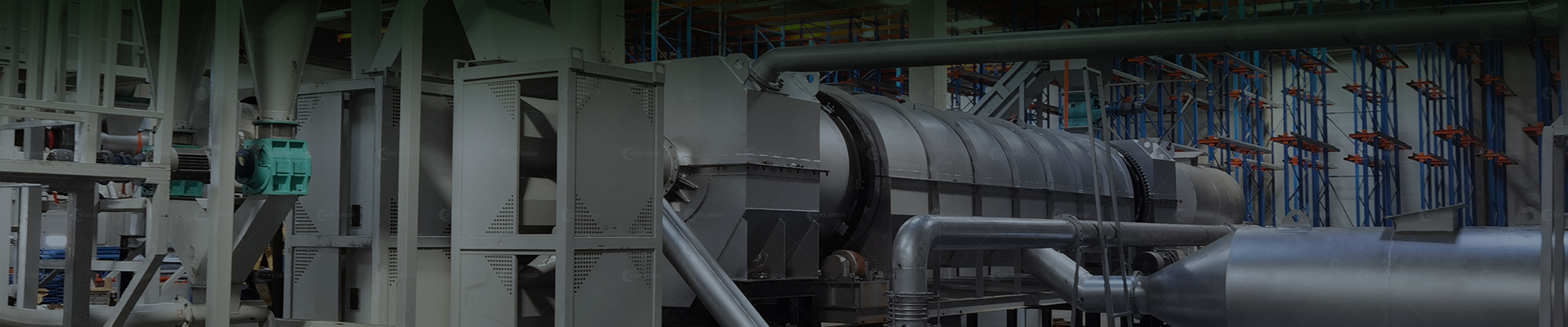
Why Decoating Is Essential Before Melting Aluminum Cans
In the recycling process for used aluminum cans, carbonization-based de-coating prior to melting is a critical step that determines product quality, corporate profitability, and the success of environmental impact assessments.
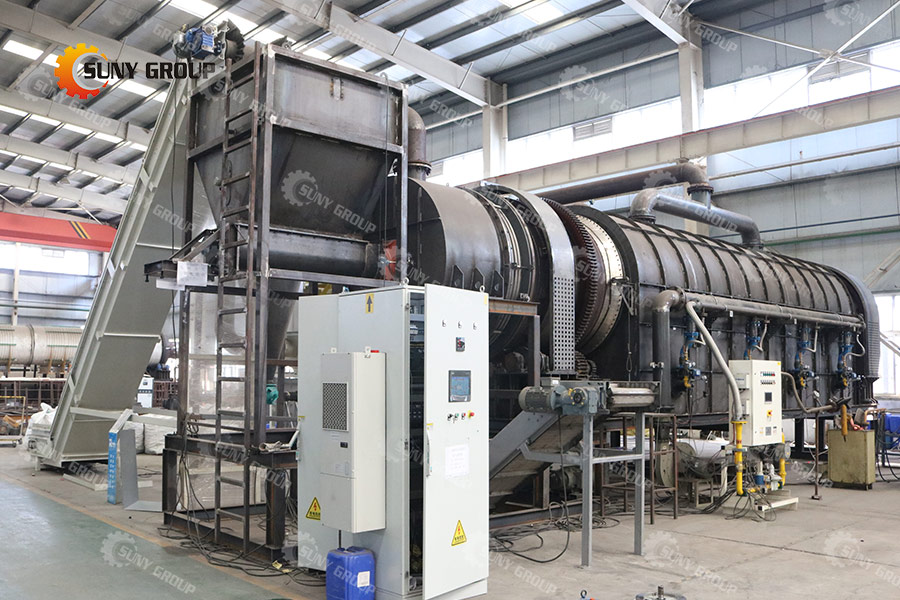
If cans are melted without removing the coating, the incomplete combustion of inks and plastic films within the molten aluminum generates significant amounts of free carbon (carbon black) and carbides. These impurities mix into the melt, forming dross inclusions that are difficult to separate; this results in cast aluminum ingots riddled with porosity and inclusions, or even ingots that are blackened and brittle, forcing them to be downgraded and sold as inferior-quality casting aluminum.
By performing de-coating prior to melting, the aluminum recovery rate (the yield of metallic aluminum) can be boosted to over 95%. This effectively secures an additional profit margin derived from more than 10% extra pure aluminum per ton of scrap cans.
While carbonization-based de-coating adds a step to the process, it is actually a “golden process” that trades minimal energy consumption for a vastly higher metal recovery rate, all while resolving key environmental compliance challenges.
If you are planning a production line for melting and casting used aluminum cans, or have technical questions regarding an integrated “shredding–de-coating–melting” continuous workflow, please contact us for state-of-the-art technical solutions at sales.sunycycle@gmail.com.
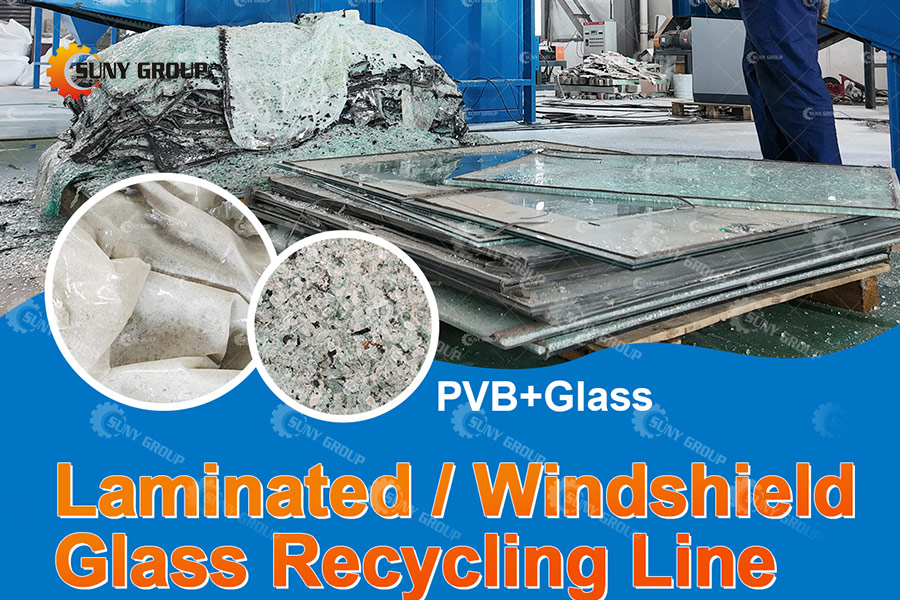 Turnkey Customized windshield recycling line
 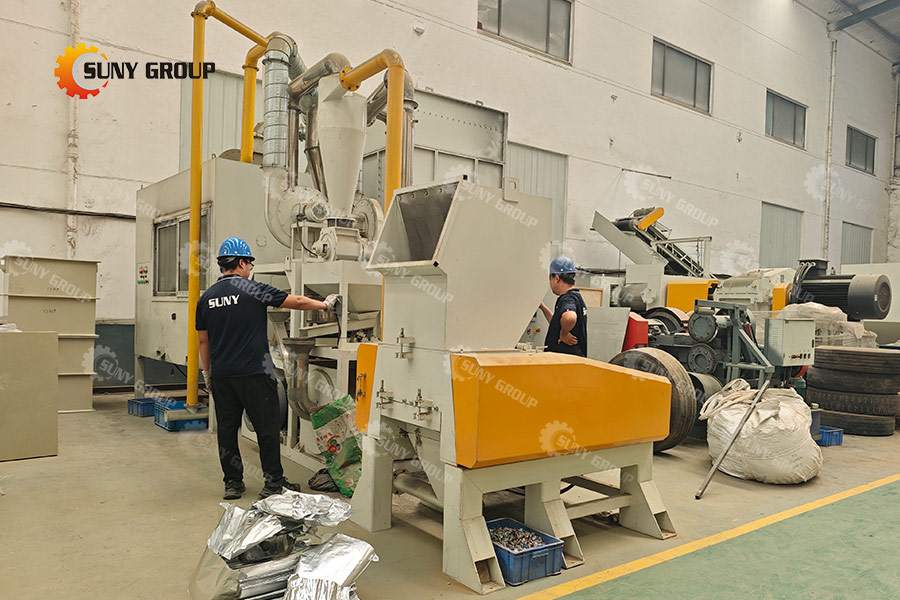 How Does an ACP (Aluminium Composite Panel) Recycling Plant Work?
 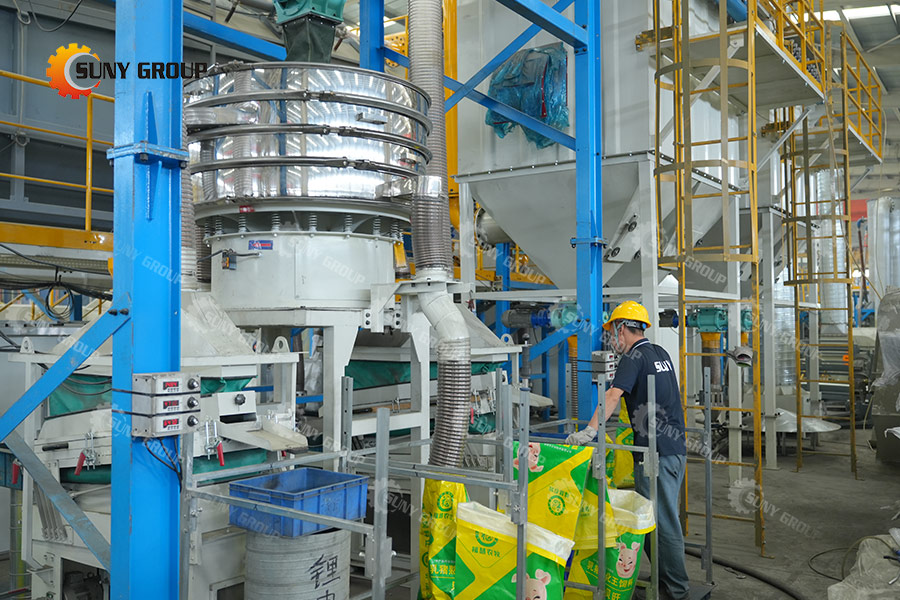 Equipment of Lithium Battery Recycling
 -
Contact Us
HAVE QUESTIONS?
Leave your details and we will reply to your message in 24 hours.
GET IN TOUCH!
WhatsApp

WeChat
-

SUNY GROUP has a reputation for excellence in providing advanced recycling solutions for solid waste such as e-waste, lithium batteries, photovoltaic panels, etc.We serve the global market and are a trusted partner for industries seeking innovative and sustainable recycling technologies.
-
SOLUTIONS
PV Solar Panel Recycling Plant Lithium Battery Recycling Plant E Waste Recycling Plant Waste Cable Wire Recycling Plant Waste Motor Recycling Machine Scrap Radiator Recycling Machine Aluminum Plastic Separation Machine Wind Turbine Blade Recycling Machine Paper Plastic Recycling Plant Refrigerator Recycling Plant -
PRODUCTS
Shredder & Cutter Machine Scrap Baler Machine Crinkle Paper Shredder UBC Decoating Furnace Car Windshield Recycling Machine Eddy Current Separator Machine -
LINKS
WHATSAPP : +86 15038128697 EMAIL : sales.sunycycle@gmail.com Factory Address:
No. 1123, Shangjie District,
Zhengzhou, Henan, China (Mainland)