

What materials are obtained after dismantling and processing waste circuit boards?
Circuit board dismantling machines are key pieces of equipment for the pre-treatment and resource recovery of electronic waste. Their primary function is to melt the solder on the circuit boards using heat while employing mechanical friction, impact, or brushing actions to efficiently separate electronic components (chips, capacitors, resistors, transistors, etc.) from the substrate (bare board) without damaging them. This enables the secondary sorting and recovery of components and the subsequent metal extraction from the bare boards.
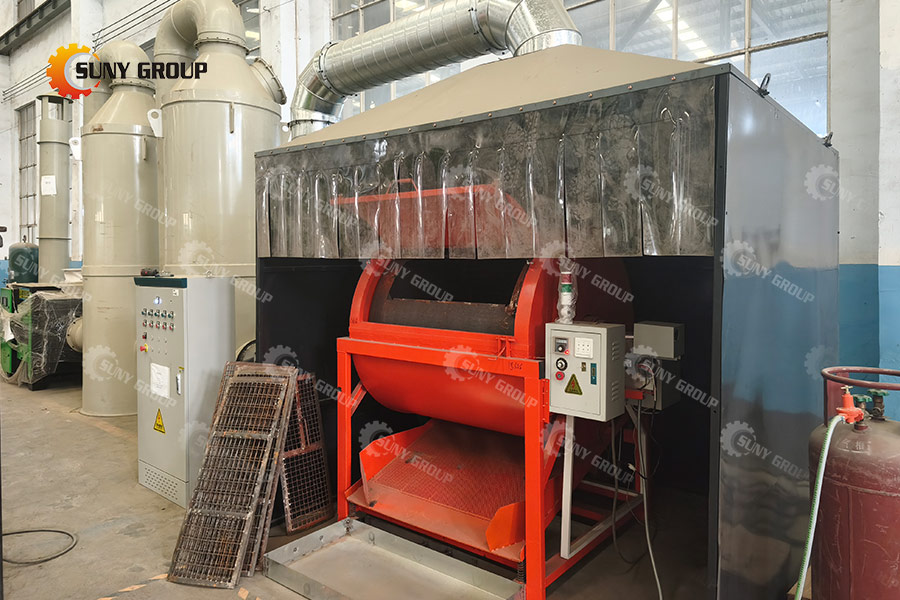
After processing by the pcb dismantling machine, the materials are clearly separated into the following three categories:
1. Waste electronic components (classified by function and recovery value)
Integrated circuits and chips (IC chips, CPUs, memory modules): These contain high concentrations of precious metals such as gold, silver, and palladium, and can be sold directly to precious metal refineries or chip recyclers.
Capacitors (tantalum capacitors, aluminum electrolytic capacitors, SMD capacitors): Tantalum capacitors are rich in the rare metal tantalum; electrolytic capacitors contain high-purity aluminum and copper.
Plugs and connectors: Gold finger slots, USB ports, terminal blocks, etc.; surfaces are often plated with high-purity gold or silver.
Transformers, inductors, and relays: These contain significant amounts of high-purity enameled copper wire and silicon steel sheets.
Heat sinks and metal brackets: High-purity aluminum alloy or pure copper parts; these can be sold directly as scrap metal.
2. Stripped bare circuit boards
Once the components have been removed, the bare boards are free of large pieces of dissimilar metals. They can be fed directly into a circuit board crushing and sorting line (involving shredding followed by air-density or electrostatic separation) to efficiently recover metal powder and resin powder.
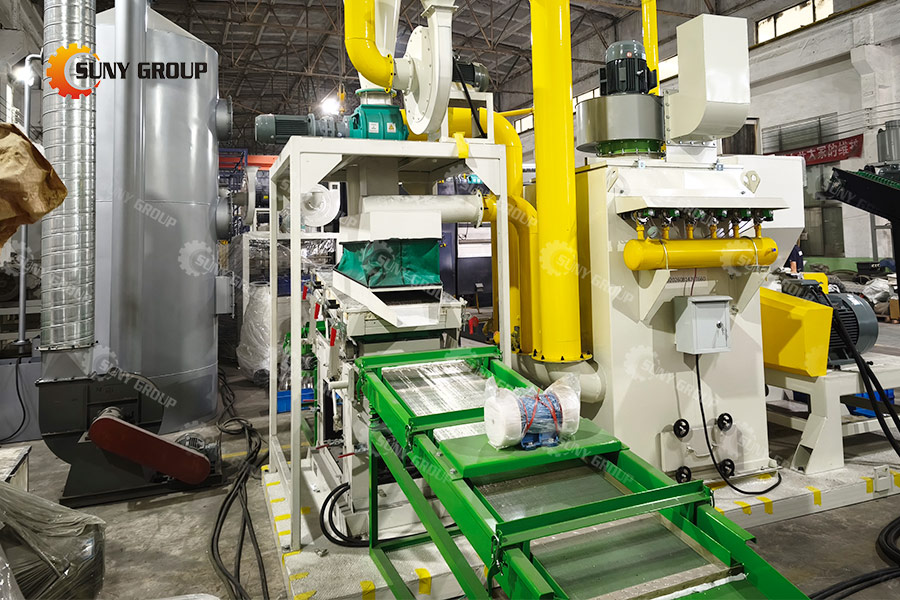 Applications of Waste Wire Recycling Equipment
 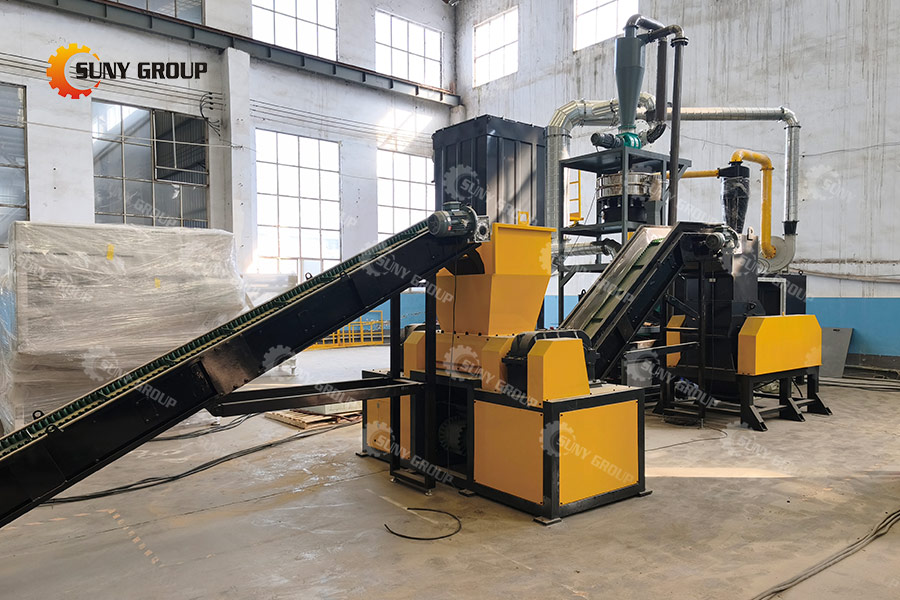 E-waste Recycling Equipment Ready for Shipment to India
 -
Contact Us
HAVE QUESTIONS?
Leave your details and we will reply to your message in 24 hours.
GET IN TOUCH!
WhatsApp

WeChat
-

SUNY GROUP has a reputation for excellence in providing advanced recycling solutions for solid waste such as e-waste, lithium batteries, photovoltaic panels, etc.We serve the global market and are a trusted partner for industries seeking innovative and sustainable recycling technologies.
-
SOLUTIONS
PV Solar Panel Recycling Plant Lithium Battery Recycling Plant E Waste Recycling Plant Waste Cable Wire Recycling Plant Waste Motor Recycling Machine Scrap Radiator Recycling Machine Aluminum Plastic Separation Machine Wind Turbine Blade Recycling Machine Paper Plastic Recycling Plant Refrigerator Recycling Plant -
PRODUCTS
Shredder & Cutter Machine Scrap Baler Machine Crinkle Paper Shredder UBC Decoating Furnace Car Windshield Recycling Machine Eddy Current Separator Machine -
LINKS
WHATSAPP : +86 15038128697 EMAIL : sales.sunycycle@gmail.com Factory Address:
No. 1123, Shangjie District,
Zhengzhou, Henan, China (Mainland)