

Key Differences Between Low-Temperature Drying and High-Temperature Pyrolysis Processes for Lithium Batteries
Low-temperature drying and high-temperature pyrolysis represent two distinct processes—differing entirely in both function and underlying principle—employed in the handling of lithium batteries (specifically, in manufacturing pretreatment or end-of-life recycling). The core distinctions center on critical dimensions such as processing objectives, temperature ranges, and reaction mechanisms. These differences are detailed below, taking into account both manufacturing and recycling contexts, with data aligned to industry operational standards:
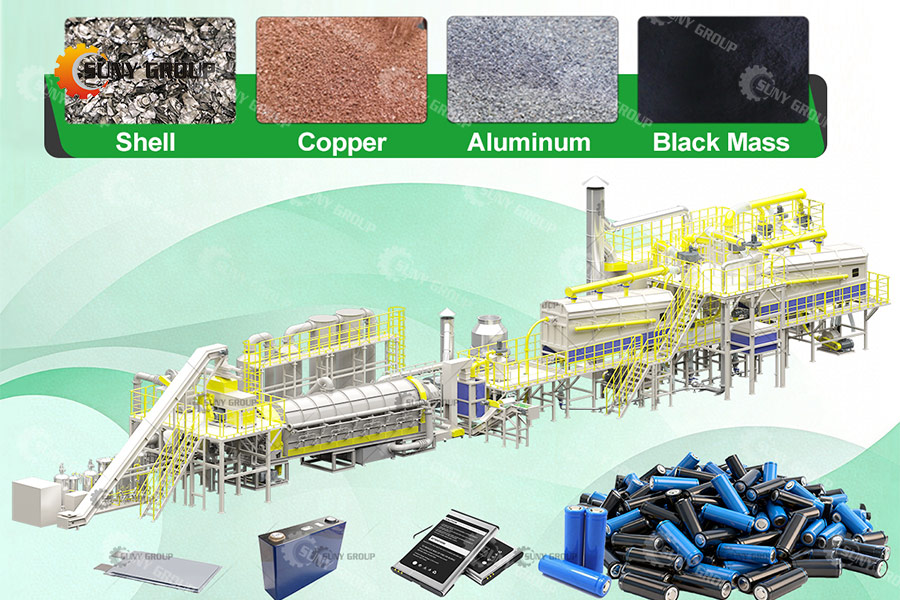
Low-Temperature Drying Process: This constitutes a physical drying process involving no chemical reactions. Its core mechanism relies on a combination of “low-temperature heating” and a “vacuum environment” to evaporate and remove moisture—along with trace amounts of volatile electrolyte solvents—from lithium batteries (or their components). The ultimate objective is to achieve material dryness without altering the physical or chemical properties of the battery’s core internal materials (such as cathodes, anodes, separators, and metals); it serves solely to eliminate impurities (specifically moisture and residual solvents).
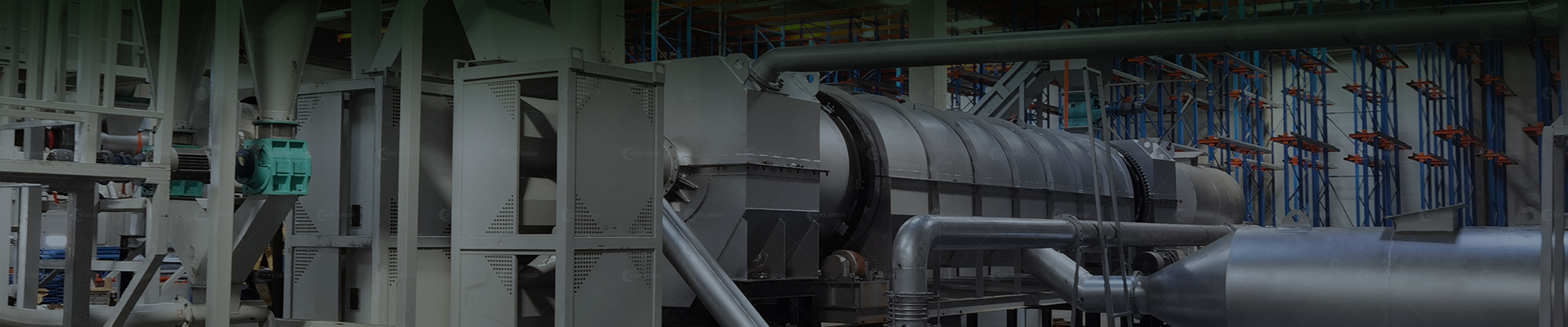
High-Temperature Pyrolysis Process: This constitutes a thermochemical decomposition process. Its core mechanism involves subjecting lithium batteries to high temperatures within an oxygen-free or low-oxygen environment to induce the thermal decomposition of organic components (such as electrolytes, separators, and binders). These organic materials are thereby converted into combustible gases, liquid oils, and solid carbon residues. Simultaneously, the process preserves the battery’s metallic elements (including lithium, cobalt, nickel, copper, and aluminum) and inorganic active materials, thereby achieving a separation between organic matter and valuable inorganic constituents. This process inherently alters the chemical structure of the processed materials.
Low-Temperature Drying Process: Core Objectives: The primary goals are “dehydration and impurity removal” and “material preservation.” This process is predominantly utilized in two scenarios: First, within the lithium battery manufacturing workflow, it is applied to dry electrode sheets, semi-finished battery cells, and electrolytes. This ensures moisture levels are controlled to the parts-per-million (ppm) scale (typically ≤ 200 ppm; for ternary batteries, ≤ 100 ppm is required), thereby mitigating risks such as adverse reactions between moisture and electrolytes, damage to the Solid Electrolyte Interphase (SEI) layer, or the formation of lithium dendrites—ultimately safeguarding battery performance and safety. Second, in the pretreatment phase of waste lithium battery recycling, it is used to remove moisture and residual electrolytes from both the surface and interior of the batteries. This prepares the materials for subsequent crushing and sorting operations, preventing safety hazards (such as fires or explosions) triggered by moisture during crushing, and avoiding any compromise to the purity of the recovered materials.
Applicable Scenarios: Pretreatment during the intermediate stages of lithium battery manufacturing; and preliminary pretreatment in waste lithium battery recycling (particularly in scenarios where recovery rate requirements are moderate or the operational scale is relatively small). It is especially well-suited for Lithium Iron Phosphate (LFP) batteries, as it avoids the risk of lithium volatilization that can occur under high-temperature conditions. High-Temperature Pyrolysis Process: The core objective is the “decomposition of organic matter and the separation of valuable resources.” This process is applied exclusively in the context of waste lithium-ion battery recycling. By subjecting the organic components within the batteries—such as separators, binders, and electrolytes—to high-temperature decomposition, it ensures the complete dissociation of the active cathode and anode materials from the metallic elements and organic residues. This significantly enhances the recovery yield and purity of subsequent metal extraction (specifically lithium, cobalt, and nickel) and active powder materials. Simultaneously, the process facilitates the environmentally benign treatment of organic waste, thereby meeting the stringent environmental protection and resource utilization requirements mandated for large-scale recycling operations.
Applicable Scenarios: This technology is ideally suited for large-scale waste lithium-ion battery recycling production lines and for applications where exceptionally high standards for metal recovery rates and purity are required (e.g., among government-designated “whitelist” recycling enterprises). While capable of processing a wide variety of waste lithium-ion battery types, the process presents significant technical challenges, demanding extremely rigorous standards for equipment sealing and temperature control.
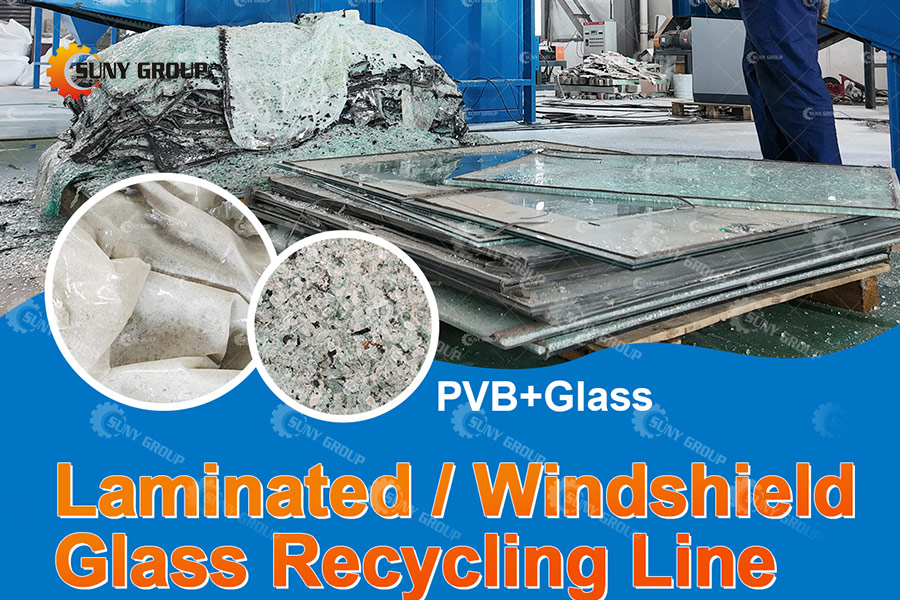 Turnkey Customized windshield recycling line
 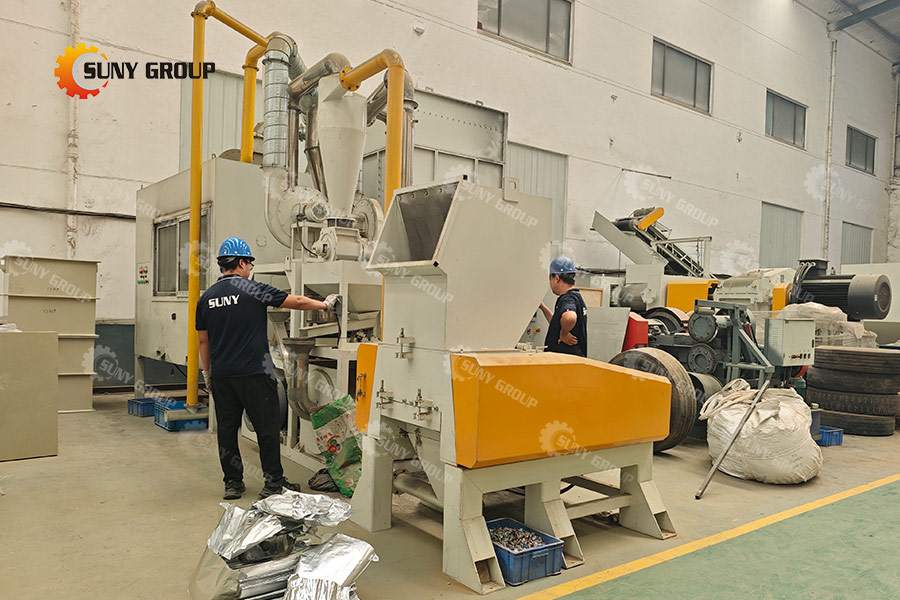 How Does an ACP (Aluminium Composite Panel) Recycling Plant Work?
 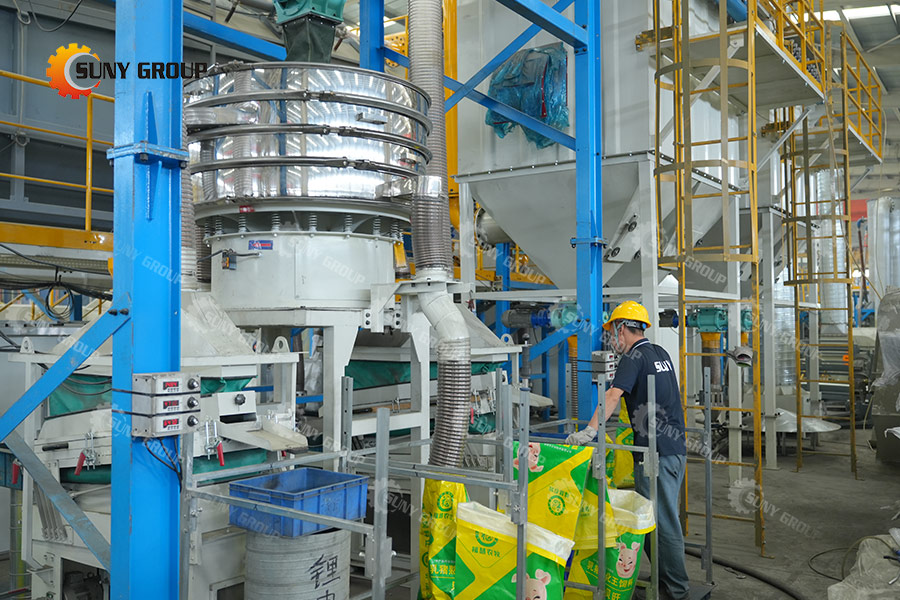 Equipment of Lithium Battery Recycling
 -
Contact Us
HAVE QUESTIONS?
Leave your details and we will reply to your message in 24 hours.
GET IN TOUCH!
WhatsApp

WeChat
-

SUNY GROUP has a reputation for excellence in providing advanced recycling solutions for solid waste such as e-waste, lithium batteries, photovoltaic panels, etc.We serve the global market and are a trusted partner for industries seeking innovative and sustainable recycling technologies.
-
SOLUTIONS
PV Solar Panel Recycling Plant Lithium Battery Recycling Plant E Waste Recycling Plant Waste Cable Wire Recycling Plant Waste Motor Recycling Machine Scrap Radiator Recycling Machine Aluminum Plastic Separation Machine Wind Turbine Blade Recycling Machine Paper Plastic Recycling Plant Refrigerator Recycling Plant -
PRODUCTS
Shredder & Cutter Machine Scrap Baler Machine Crinkle Paper Shredder UBC Decoating Furnace Car Windshield Recycling Machine Eddy Current Separator Machine -
LINKS
WHATSAPP : +86 15038128697 EMAIL : sales.sunycycle@gmail.com Factory Address:
No. 1123, Shangjie District,
Zhengzhou, Henan, China (Mainland)