

Eddy Current Separator How it Works?
Eddy current separation equipment is a staple in the recycling industry. Many people, upon encountering an eddy current separator for the first time, are naturally curious: since magnets do not attract aluminum or copper, how does the machine manage to capture them? The secret behind this lies in a “high-speed rotating magnetic field.” When the equipment is in operation, a magnetic rotor located at the end of the conveyor belt spins at speeds reaching thousands of revolutions per minute.
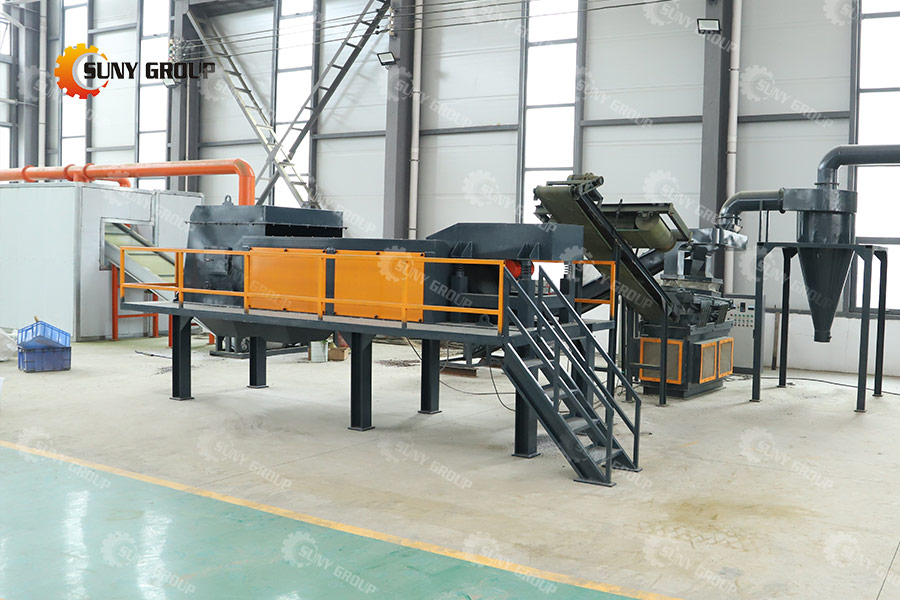
1. Induction of Eddy Currents: As aluminum scraps or copper pieces within the mixed waste enter this rapidly changing magnetic field, induced currents are instantly generated within the metal. These currents—resembling the swirling vortices formed by flowing water—are known as “eddy currents.”
2. Repulsive Force from Like Poles: According to the laws of physics, these eddy currents generate a “temporary magnetic field” that opposes the direction of the original magnetic field.
3. Instantaneous Ejection: Much like when the like poles of two magnets are brought into contact, the metal is instantly subjected to a powerful repulsive force. This force violently “kicks” the metal off the conveyor belt, sending it soaring through the air in a graceful arc, thereby achieving a complete separation from non-metallic materials.
At the end of the conveyor belt, the eddy current separator acts like a cool-headed commander, directing the materials toward their respective destinations:
1. Non-Metallic Zone (Closest Drop Point):
Materials such as plastics, glass, rubber, and wood lack electrical conductivity and are therefore completely “unresponsive” to the magnetic field. At the end of the belt, they are influenced solely by gravity, falling vertically downward along the edge of the conveyor drum.
2. Non-Ferrous Metal Zone (Farthest Drop Point):
Propelled by the powerful magnetic repulsion, non-ferrous metals—such as aluminum, copper, and zinc—gain horizontal acceleration. They “fly over” the designated baffle plate and land in the collection hopper located at the farthest point, typically achieving a purity level exceeding 98%.
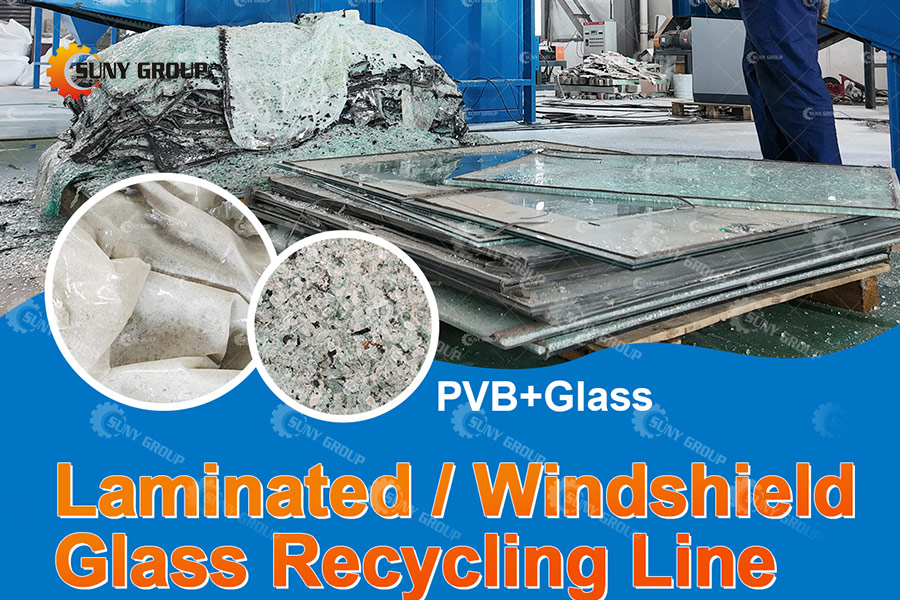 Turnkey Customized windshield recycling line
 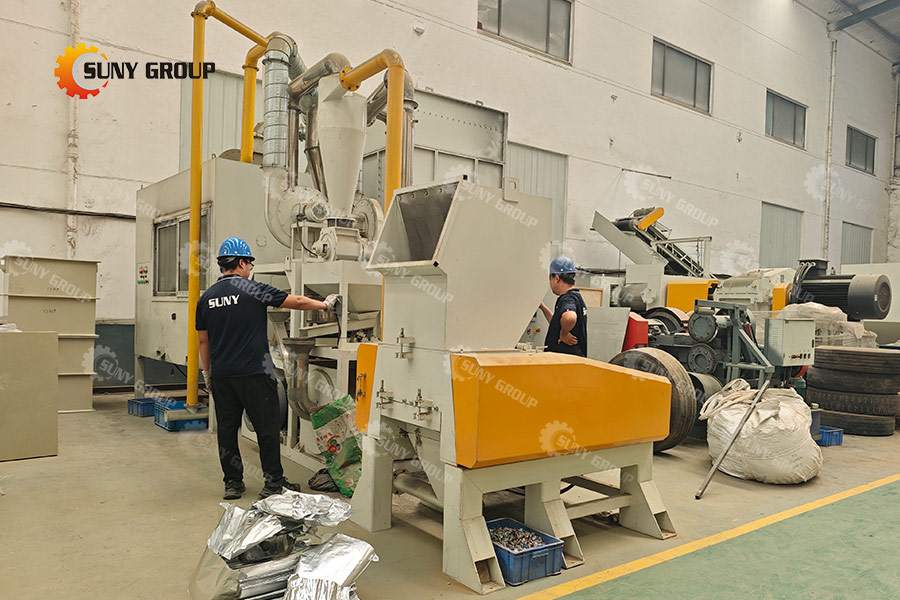 How Does an ACP (Aluminium Composite Panel) Recycling Plant Work?
 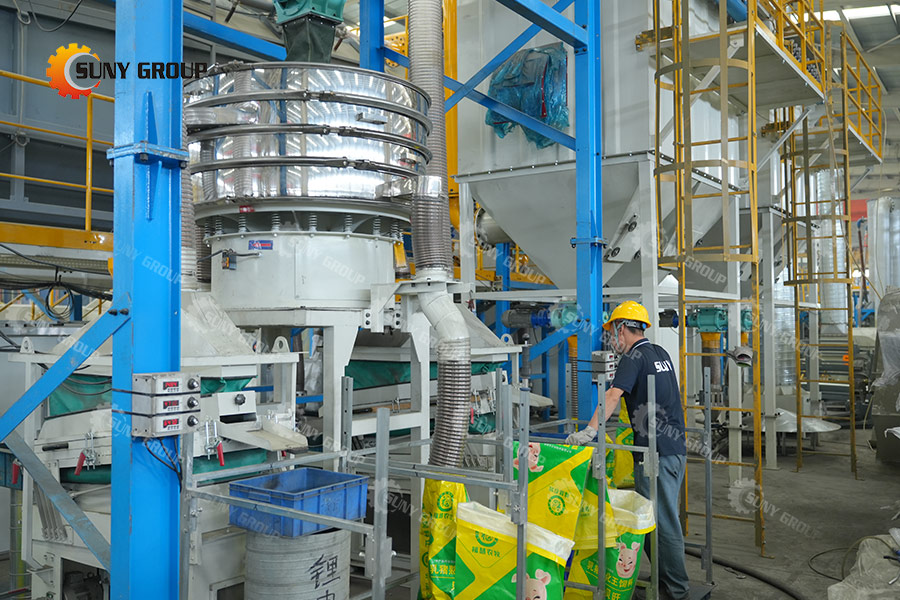 Equipment of Lithium Battery Recycling
 -
Contact Us
HAVE QUESTIONS?
Leave your details and we will reply to your message in 24 hours.
GET IN TOUCH!
WhatsApp

WeChat
-

SUNY GROUP has a reputation for excellence in providing advanced recycling solutions for solid waste such as e-waste, lithium batteries, photovoltaic panels, etc.We serve the global market and are a trusted partner for industries seeking innovative and sustainable recycling technologies.
-
SOLUTIONS
PV Solar Panel Recycling Plant Lithium Battery Recycling Plant E Waste Recycling Plant Waste Cable Wire Recycling Plant Waste Motor Recycling Machine Scrap Radiator Recycling Machine Aluminum Plastic Separation Machine Wind Turbine Blade Recycling Machine Paper Plastic Recycling Plant Refrigerator Recycling Plant -
PRODUCTS
Shredder & Cutter Machine Scrap Baler Machine Crinkle Paper Shredder UBC Decoating Furnace Car Windshield Recycling Machine Eddy Current Separator Machine -
LINKS
WHATSAPP : +86 15038128697 EMAIL : sales.sunycycle@gmail.com Factory Address:
No. 1123, Shangjie District,
Zhengzhou, Henan, China (Mainland)