

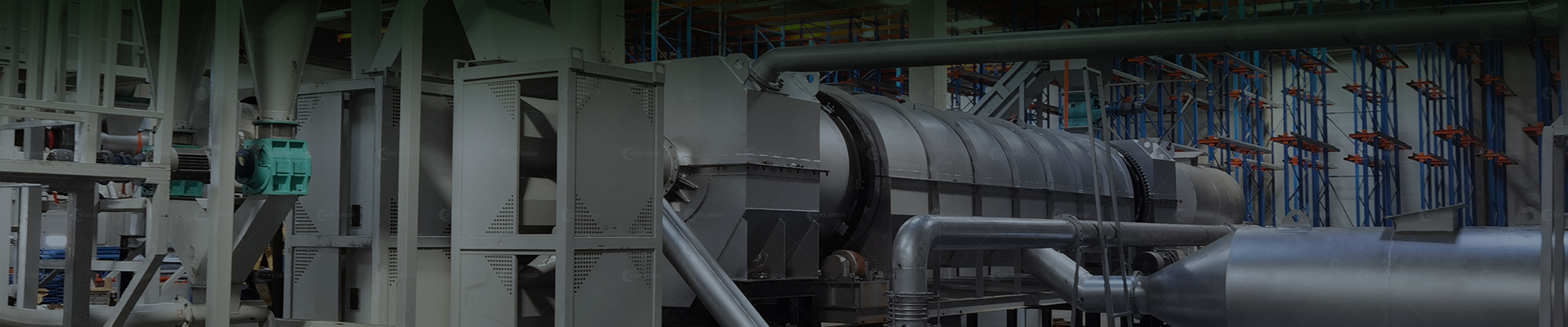
SUNYGROUP Lasted Lithium-ion Battery Recycling Technology
Electric vehicle battery recycling is one of the hottest solid waste recycling projects on the market. However, the risk of thermal runaway and explosion during the crushing of charged batteries is the biggest obstacle faced by recyclers. SUNY GROUP has successfully overcome this problem with its latest nitrogen protection system, setting a new safety standard for lithium-ion battery recycling solutions.
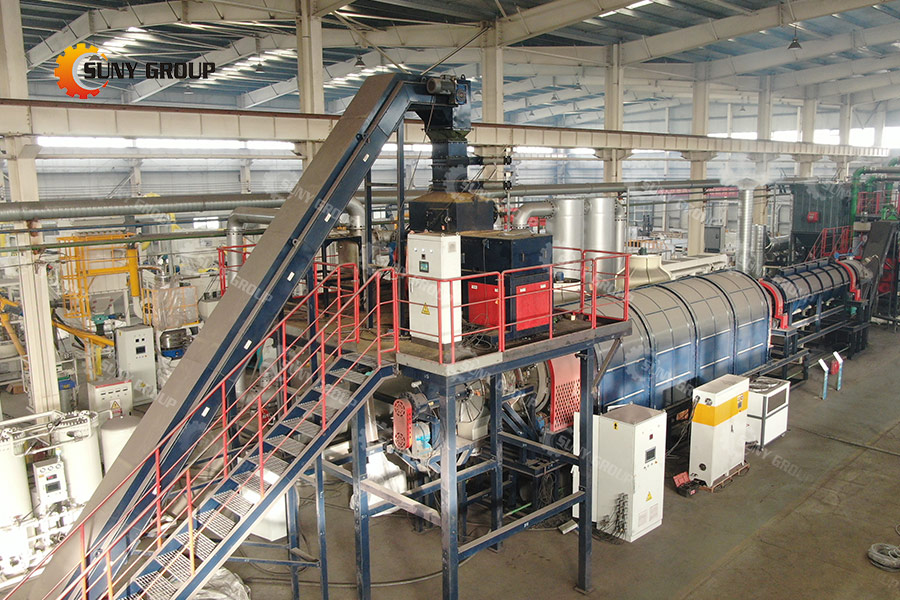
The Science of Prevention: Why Nitrogen?
Lithium-ion batteries typically contain residual energy (state of charge). When a crusher punctures the battery casing, a short circuit can occur, igniting the flammable organic electrolyte. Traditionally, this has been addressed with deep discharge or “water washing,” but these methods are slow and produce toxic wastewater.
SUNY Group’s lithium-ion battery recycling technology uses an inert gas to protect the environment. By filling a completely sealed crushing chamber with nitrogen ($N₂$), the oxygen content is strictly controlled below 3%. Since combustion requires oxygen, even if sparks are generated during the mechanical shearing of battery cells, the risk of fire or explosion is eliminated at the source. SUNYGROUP’s upgraded lithium battery recycling production line offers several key advantages:
1. Real-time Oxygen Monitoring: High-precision sensors continuously monitor the internal gas environment, automatically adjusting nitrogen flow or triggering an emergency shutdown when oxygen levels fluctuate.
2. Sealed Crusher Design: Every bolt and seal on our single-shaft crusher is meticulously designed to ensure airtightness, prevent gas leakage, and guarantee safe air quality in the factory.
3. Low-Speed, High-Torque Shearing: Compared to high-speed impact crushers, we utilize low-speed blades to minimize heat generation and further reduce the thermal load on materials.
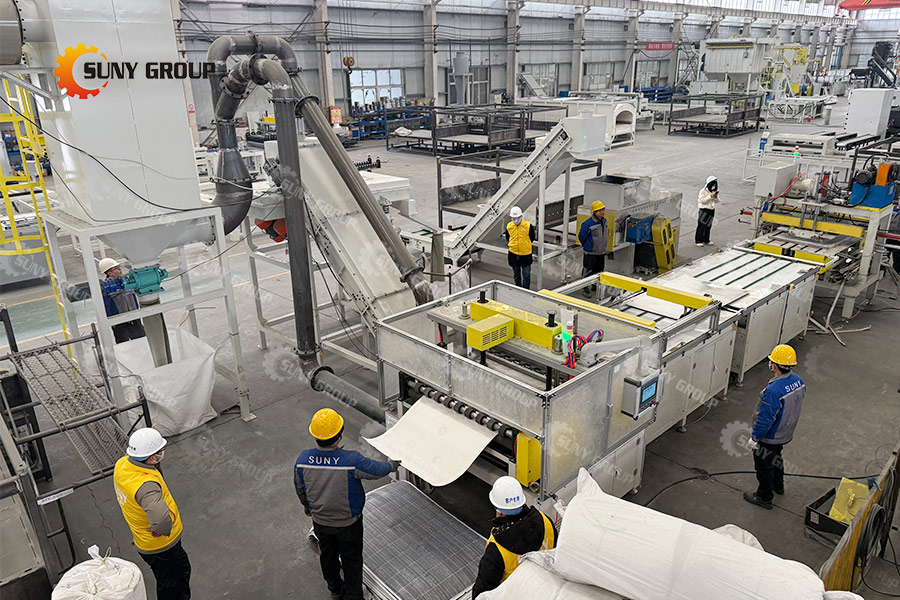 PV panels glass removing machine features
 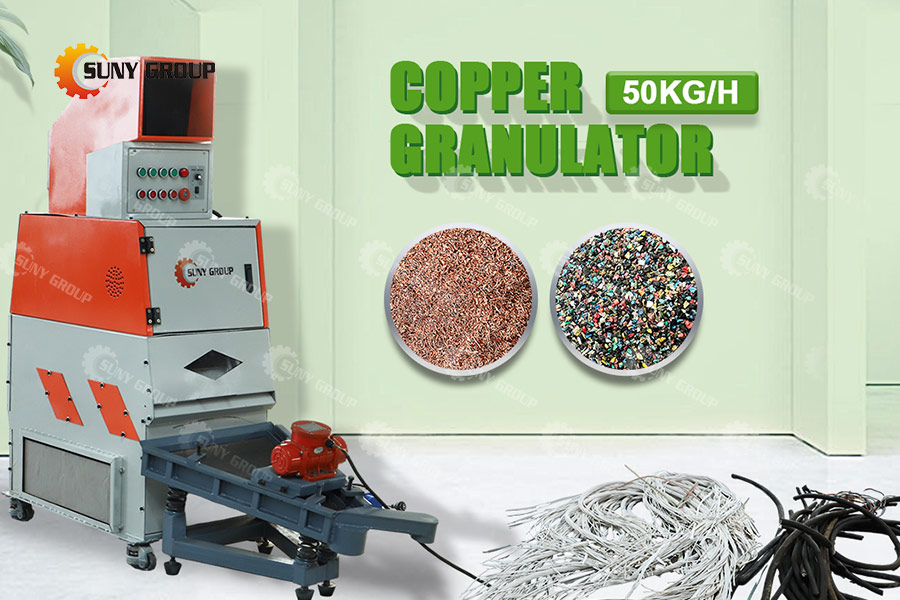 How to Choose the Right Mini Copper Granulator
 -
Contact Us
HAVE QUESTIONS?
Leave your details and we will reply to your message in 24 hours.
GET IN TOUCH!
WhatsApp

WeChat
-

SUNY GROUP has a reputation for excellence in providing advanced recycling solutions for solid waste such as e-waste, lithium batteries, photovoltaic panels, etc.We serve the global market and are a trusted partner for industries seeking innovative and sustainable recycling technologies.
-
SOLUTIONS
PV Solar Panel Recycling Plant Lithium Battery Recycling Plant E Waste Recycling Plant Waste Cable Wire Recycling Plant Waste Motor Recycling Machine Scrap Radiator Recycling Machine Aluminum Plastic Separation Machine Wind Turbine Blade Recycling Machine Paper Plastic Recycling Plant Refrigerator Recycling Plant -
PRODUCTS
Shredder & Cutter Machine Scrap Baler Machine Crinkle Paper Shredder UBC Decoating Furnace Car Windshield Recycling Machine Eddy Current Separator Machine -
LINKS
WHATSAPP : +86 15038128697 EMAIL : sales.sunycycle@gmail.com Factory Address:
No. 1123, Shangjie District,
Zhengzhou, Henan, China (Mainland)