

Operating Principle of Aluminum plastic separation equipment
Aluminum plastic separation equipment uses specific physical or chemical methods to separate the aluminum and plastic components of aluminum-plastic composite materials for subsequent recycling and reuse. This equipment has a wide range of applications in the recycling and processing of waste aluminum-plastic materials.
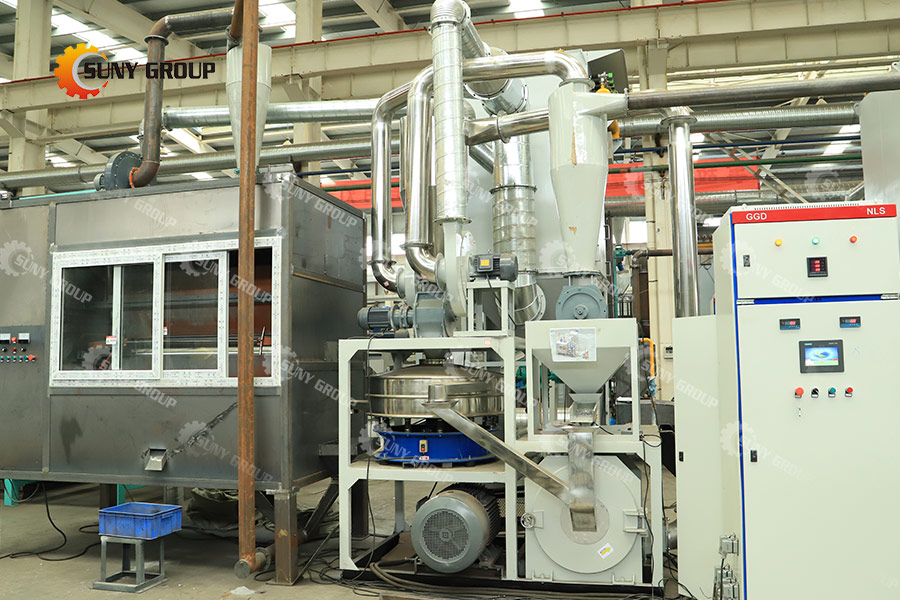
Main operating principle of aluminum plastic separation equipment
The operating principle of aluminum plastic separation equipment is primarily based on the differences in the physical properties of aluminum and plastic, including density, conductivity, magnetism, and aerodynamic properties. Specific operating methods may include the following:
Electrostatic separation: This equipment applies a high-voltage electric field to the aluminum-plastic composite material, imparting an electrostatic charge. Separation is then achieved by exploiting the differences in the charged properties of the different materials. Aluminum, as a good conductor, easily becomes charged and is deflected by the electric field, thus separating it from the plastic.
Airflow separation: This equipment uses airflow to disperse the materials, then exploits the differences in their aerodynamic properties to separate them. Aluminum and plastic move differently in the airflow, and their trajectories and speeds can be adjusted to achieve effective separation.
Eddy current separation: This equipment utilizes the eddy current effect generated by aluminum’s high electrical conductivity in an alternating magnetic field. When the aluminum-plastic composite material passes through an alternating magnetic field, the aluminum part will generate eddy currents and be separated from other parts due to the repulsive force.
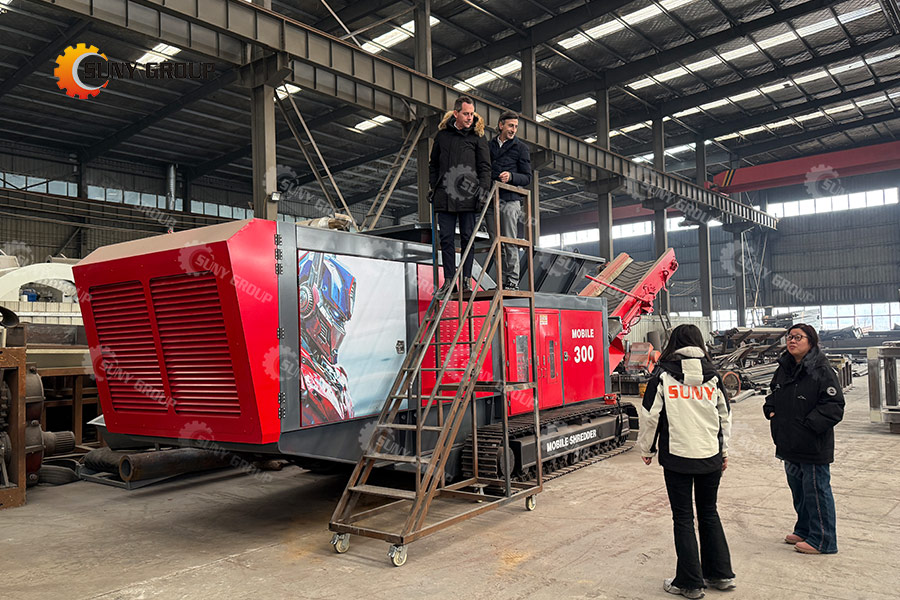 Main application of mobile shredder machine
 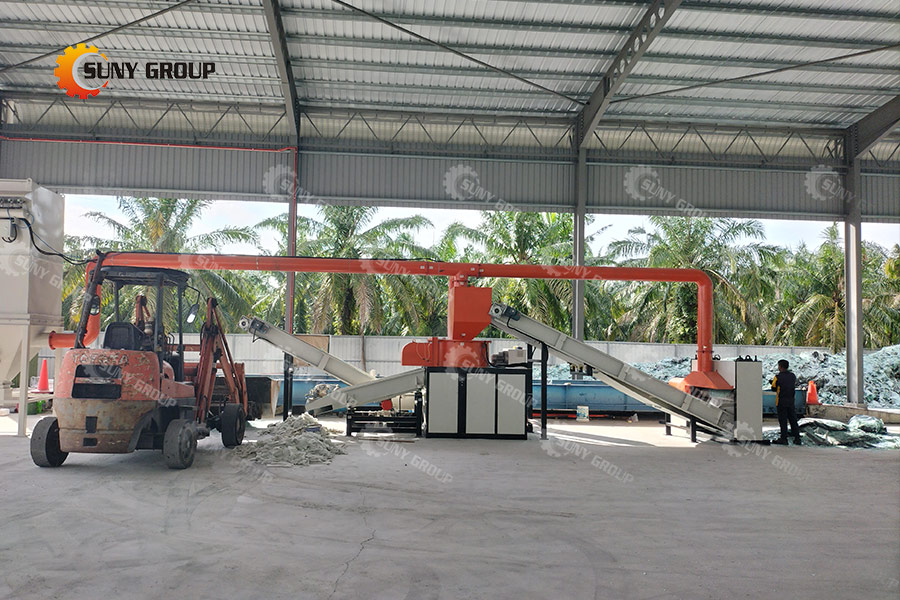 Laminated glass separator equipment in Malaysia
 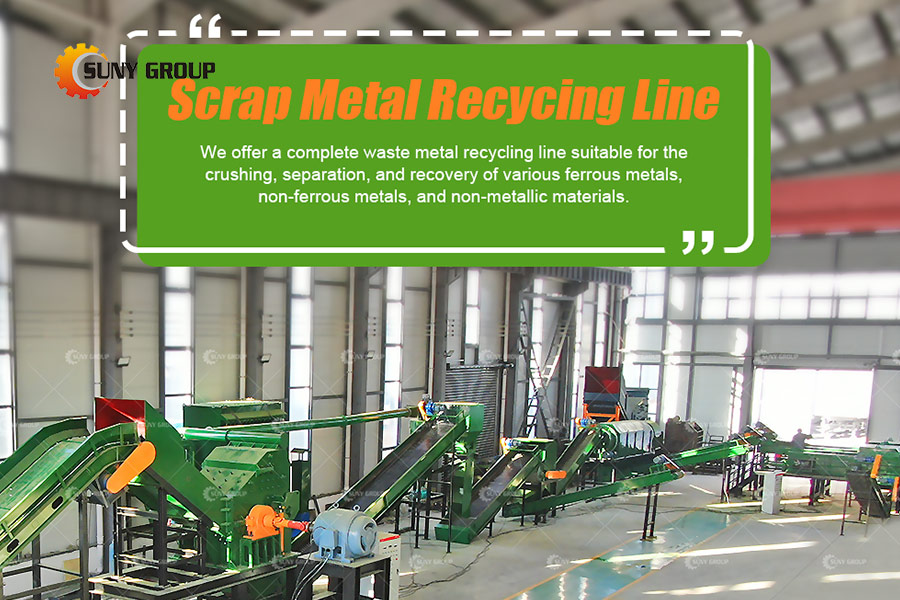 Application of metal crushing recycling line
 -
Contact Us
HAVE QUESTIONS?
Leave your details and we will reply to your message in 24 hours.
GET IN TOUCH!
WhatsApp

WeChat
-

SUNY GROUP has a reputation for excellence in providing advanced recycling solutions for solid waste such as e-waste, lithium batteries, photovoltaic panels, etc.We serve the global market and are a trusted partner for industries seeking innovative and sustainable recycling technologies.
-
SOLUTIONS
PV Solar Panel Recycling Plant Lithium Battery Recycling Plant E Waste Recycling Plant Waste Cable Wire Recycling Plant Waste Motor Recycling Machine Scrap Radiator Recycling Machine Aluminum Plastic Separation Machine Wind Turbine Blade Recycling Machine Paper Plastic Recycling Plant Refrigerator Recycling Plant -
PRODUCTS
Shredder & Cutter Machine Scrap Baler Machine Crinkle Paper Shredder UBC Decoating Furnace Car Windshield Recycling Machine Eddy Current Separator Machine -
LINKS
WHATSAPP : +86 15038128697 EMAIL : sales.sunycycle@gmail.com Factory Address:
No. 1123, Shangjie District,
Zhengzhou, Henan, China (Mainland)