

Eddy Current Separator Selection Guide
In the field of electronic waste and industrial waste recycling, eddy current separators are core equipment for separating non-ferrous metals such as aluminum and copper. However, when purchasing, users often face a critical technical choice: concentric or eccentric magnetic axis?
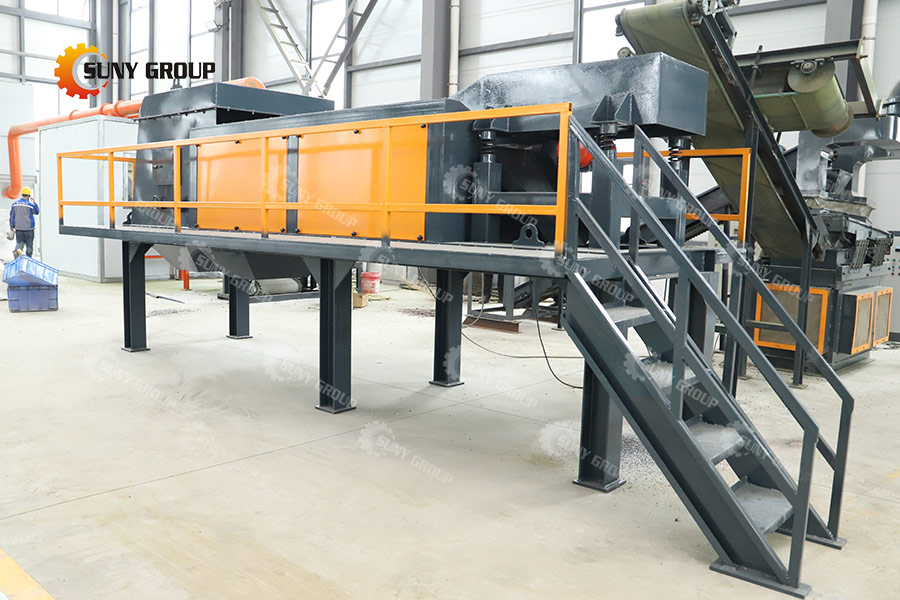
1. Concentric Magnetic Axis: High-Cost-Performance Expert for Large Material Separation
Working Principle: The magnetic roller is installed in the exact center of the external drive drum. The magnetic field is symmetrically distributed across the entire belt surface.
Core Advantages: Simple structure and highly competitive price. Due to the large magnetic field coverage, it has a strong ejection force on large-particle materials (such as aluminum cans and large pieces of shredded aluminum).
Potential Risks: “Roller burning” phenomenon. If the material contains trace amounts of ferrous metals, the iron powder will adhere to the belt surface and rotate with it. Because the concentric design keeps the iron filings constantly in a strong magnetic field, they will heat up intensely due to induced currents, leading to belt burning or magnetic axis damage.
Best Scenario: Situations where the material composition is simple, ferrous metals have been completely removed, and the particle size is large (such as household waste sorting).
2. Eccentric Magnetic Axis: The “Anti-Burning” Solution for Complex Electronic Waste
Working Principle: The magnetic roller is positioned diagonally above the drive drum (ejection zone). This means that the magnetic field is strongest only at the moment the material is thrown out.
Core Advantages: Completely solves the roller burning problem. Because the magnetic axis is not in the center, residual iron filings entering the bottom of the drum will quickly leave the magnetic field area and fall off naturally, without circulating with the belt and generating heat through friction.
Precise Separation: The magnetic pole position is adjustable, providing a more precise “kick-out” angle for finely crushed non-ferrous metal particles, resulting in a higher recovery rate.
Disadvantages: Complex manufacturing process and relatively high initial investment cost.
Best Scenario: Waste electronic waste (E-waste), shredded automotive materials, and complex mixtures containing fine iron impurities.
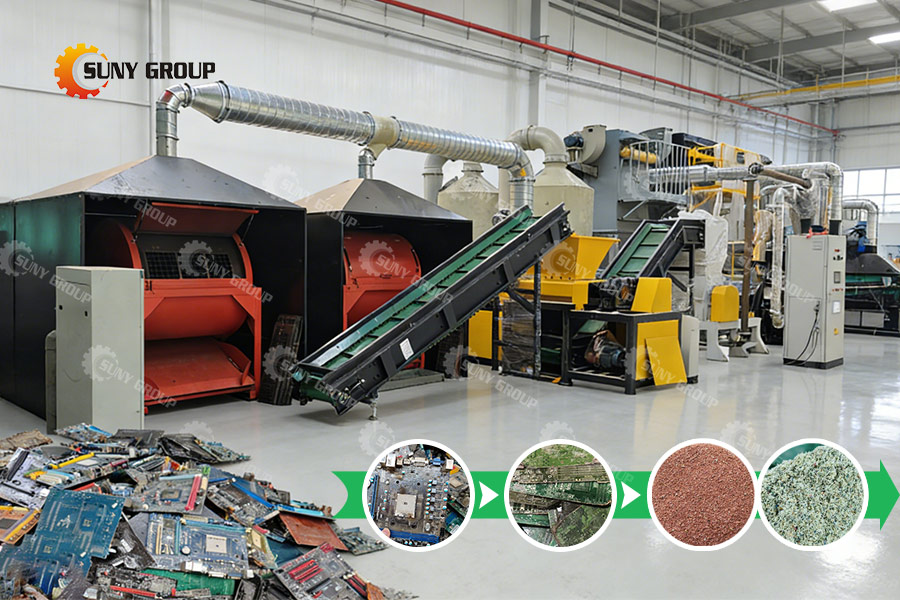 How to Recycle Electronic Waste in a Compliant and Efficient Manner?
 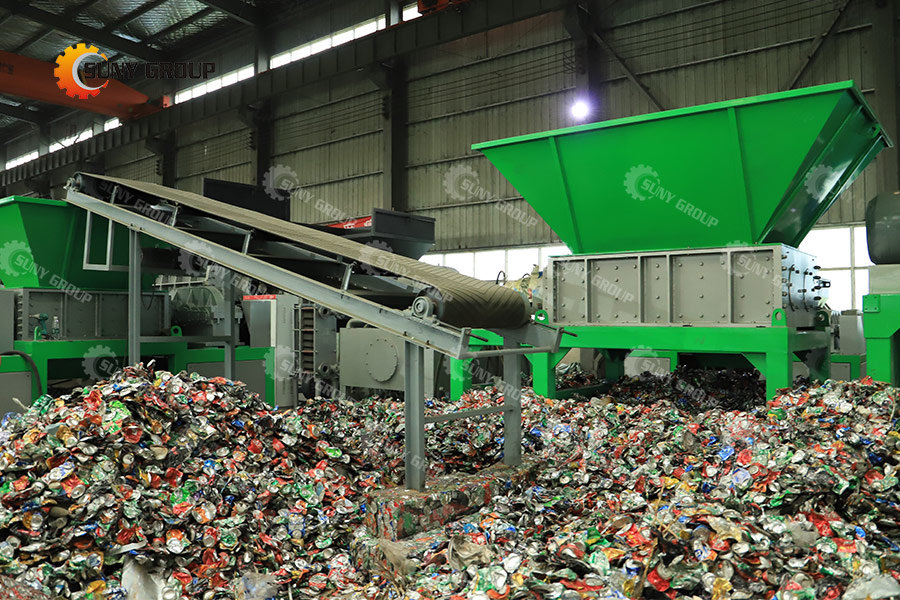 Advantages of SUNYGROUP twin shaft shredder
 -
Contact Us
HAVE QUESTIONS?
Leave your details and we will reply to your message in 24 hours.
GET IN TOUCH!
WhatsApp

WeChat
-

SUNY GROUP has a reputation for excellence in providing advanced recycling solutions for solid waste such as e-waste, lithium batteries, photovoltaic panels, etc.We serve the global market and are a trusted partner for industries seeking innovative and sustainable recycling technologies.
-
SOLUTIONS
PV Solar Panel Recycling Plant Lithium Battery Recycling Plant E Waste Recycling Plant Waste Cable Wire Recycling Plant Waste Motor Recycling Machine Scrap Radiator Recycling Machine Aluminum Plastic Separation Machine Wind Turbine Blade Recycling Machine Paper Plastic Recycling Plant Refrigerator Recycling Plant -
PRODUCTS
Shredder & Cutter Machine Scrap Baler Machine Crinkle Paper Shredder UBC Decoating Furnace Car Windshield Recycling Machine Eddy Current Separator Machine -
LINKS
WHATSAPP : +86 15038128697 EMAIL : sales.sunycycle@gmail.com Factory Address:
No. 1123, Shangjie District,
Zhengzhou, Henan, China (Mainland)